

Адрес:149, Aimin Road, Chashan Town, Dongguan, Guangdong, China
Телефон:1388xx888xx
Мобильные телефоны:1388xx888xx
Почтовый ящик:1388xx888xx@gmail.com
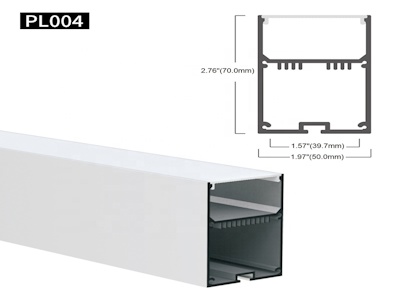
Производство алюминиевых профилей является важным сегментом мировой промышленности, играющим ключевую роль в строительстве, транспорте, энергетике и других отраслях. Алюминий, благодаря своим уникальным свойствам, таким как легкий вес, коррозионная стойкость и высокая прочность, продолжает оставаться материалом выбора для инновационных проектов. Однако, как и любая другая отрасль, производство алюминиевых профилей сталкивается с рядом вызовов и возможностей, связанных с технологическим прогрессом, экологическими требованиями и изменяющимися рыночными условиями. В этой статье мы подробно рассмотрим актуальные тенденции, формирующие будущее этой динамичной отрасли, и предложим стратегические рекомендации для ее устойчивого развития.
Алюминиевые профили представляют собой изделия, получаемые путем экструзии алюминиевых сплавов через специальные матрицы. Этот процесс позволяет создавать сложные формы с высокой точностью, что делает профили идеальными для применения в различных сферах, от оконных рам и фасадов зданий до автомобильных компонентов и аэрокосмических конструкций. История производства алюминиевых профилей насчитывает более века, но именно в последние десятилетия отрасль пережила значительную трансформацию, driven by advancements in materials science, automation, and sustainability initiatives. Сегодня, с ростом глобального спроса на легкие и энергоэффективные материалы, производство алюминиевых профилей находится на переднем крае инноваций, что требует постоянного мониторинга и адаптации к новым тенденциям.
Одной из ключевых тенденций в производстве алюминиевых профилей является внедрение передовых технологий, которые повышают эффективность, качество и гибкость процессов. Во-первых, автоматизация и роботизация играют все более важную роль на производственных линиях. Современные экструзионные прессы оснащаются системами ЧПУ (числового программного управления), которые позволяют точно контролировать параметры экструзии, такие как температура, скорость и давление. Это не только снижает человеческий фактор и минимизирует ошибки, но и увеличивает производительность на 20-30%, согласно исследованиям отраслевых экспертов. Кроме того, роботы используются для handling и упаковки профилей, что сокращает время цикла и улучшает условия труда.
Во-вторых, additive manufacturing, или 3D-печать, начинает находить применение в prototyping и производстве сложных профилей. Хотя традиционная экструзия остается доминирующим методом, 3D-печать позволяет создавать custom designs с минимальными отходами, что особенно ценно для niche applications, таких как медицинское оборудование или аэрокосмические компоненты. Например, компании like Airbus уже экспериментируют с 3D-printed aluminum parts to reduce weight and improve performance. Однако, массовое внедрение этой технологии сдерживается высокими затратами и ограничениями в масштабировании, но ожидается, что к 2030 году она станет более распространенной.
В-третьих, цифровизация и Industry 4.0 преобразуют всю цепочку создания стоимости. IoT (Интернет вещей) sensors installed on extrusion equipment collect real-time data on machine performance, allowing for predictive maintenance and reducing downtime. Big data analytics helps optimize production schedules and material usage, while AI algorithms can predict defects and suggest improvements. For instance, a study by McKinsey estimates that digital twins—virtual replicas of physical processes—can increase overall equipment effectiveness (OEE) by up to 15% in aluminum extrusion plants. These technologies not only enhance operational efficiency but also enable greater customization to meet specific customer demands, which is becoming increasingly important in a competitive market.
Устойчивость стала центральной темой в производстве алюминиевых профилей, driven by growing environmental awareness and regulatory pressures. Алюминий является highly recyclable material, with recycling rates exceeding 90% in many regions, which significantly reduces its carbon footprint compared to primary production. However, the industry faces challenges related to energy consumption and emissions during extrusion and upstream processes. To address this, companies are investing in energy-efficient technologies, such as induction heating for billets, which can reduce energy use by up to 30% compared to traditional gas furnaces. Additionally, the adoption of renewable energy sources, like solar or wind power, for production facilities is gaining traction, with leaders like Hydro Aluminum aiming for carbon-neutral operations by 2030.
Another trend is the development of green aluminum, produced using hydroelectric or other low-carbon energy, which is increasingly demanded by environmentally conscious consumers and industries like automotive and construction. For example, the automotive sector, under pressure to reduce vehicle emissions, is shifting towards lightweight aluminum profiles made from recycled or green aluminum to improve fuel efficiency. Life cycle assessment (LCA) tools are being used to quantify the environmental impact of profiles, enabling manufacturers to make informed decisions and communicate sustainability benefits to stakeholders. Moreover, circular economy principles are being integrated into business models, with initiatives to design products for disassembly and recycling, thus minimizing waste and extending material lifecycles.
Regulatory frameworks, such as the EU's Green Deal and carbon pricing mechanisms, are also shaping industry practices. Companies must comply with stricter emissions standards and report on sustainability metrics, which drives innovation in cleaner production methods. Collaboration across the value chain—from raw material suppliers to end-users—is essential to achieve these goals. For instance, partnerships between aluminum producers and recyclers can enhance closed-loop systems, ensuring that scrap aluminum is efficiently reintegrated into new products. Overall, the push towards sustainability is not just a trend but a necessity for long-term viability, offering competitive advantages to those who embrace it early.
Рыночная динамика для алюминиевых профилей influenced by global economic conditions, geopolitical factors, and shifting consumer preferences. The construction sector remains the largest end-user, accounting for over 60% of demand, driven by urbanization and the need for energy-efficient buildings. Aluminum profiles are favored for their durability and thermal performance, particularly in fenestration and curtain wall systems. However, fluctuations in raw material prices, such as those for bauxite and energy, can impact profitability. The recent volatility in aluminum prices, exacerbated by trade tensions and supply chain disruptions, has forced manufacturers to adopt more agile pricing strategies and hedge against risks.
In the transportation sector, the shift towards electric vehicles (EVs) is creating new opportunities. EVs require lightweight components to extend battery range, and aluminum profiles are ideal for frames, battery enclosures, and structural parts. This has led to increased investment in R&D for high-strength aluminum alloys that meet automotive safety standards. Similarly, the aerospace industry continues to demand advanced profiles for reducing aircraft weight and improving fuel efficiency. However, competition from alternative materials, such as carbon fiber composites, poses a challenge, necessitating continuous innovation to maintain aluminum's competitive edge.
Geopolitical issues, such as tariffs and trade barriers, also affect the industry. For example, tensions between major producers like China, the US, and Europe can lead to supply chain reconfigurations and localization of production. Companies are responding by diversifying their supplier bases and investing in regional manufacturing hubs to mitigate risks. Additionally, the COVID-19 pandemic highlighted vulnerabilities in global supply chains, accelerating trends towards reshoring and digitalization. Consumer trends towards customization and fast delivery are pushing manufacturers to adopt lean production methods and enhance supply chain visibility through digital platforms.
Looking ahead, the production of aluminum profiles is poised for continued growth and transformation. Key future trends include the integration of smart materials with embedded sensors for monitoring structural health in real-time, which could revolutionize applications in infrastructure and IoT-enabled devices. Advances in nanotechnology may lead to stronger and lighter aluminum composites, expanding their use in high-performance sectors. Moreover, as circular economy principles become mainstream, we can expect greater emphasis on design for sustainability and increased recycling rates.
To capitalize on these opportunities, industry stakeholders should focus on several strategic areas. First, invest in R&D to develop new alloys and processes that enhance performance while reducing environmental impact. Collaboration with academic institutions and research organizations can accelerate innovation. Second, embrace digital transformation fully by implementing IoT, AI, and blockchain for traceability and efficiency. This will not only improve operations but also enhance transparency for customers and regulators. Third, strengthen sustainability initiatives by setting ambitious targets for carbon reduction and engaging in partnerships across the value chain. Finally, adapt to market changes by diversifying product portfolios and exploring emerging applications, such as in renewable energy infrastructure (e.g., solar panel frames) or medical devices.
In conclusion, the production of aluminum profiles is at a pivotal moment, shaped by technological advancements, environmental imperatives, and evolving market demands. By staying agile and proactive, the industry can navigate challenges and thrive in the coming decades, contributing to a more sustainable and innovative future.
 1388xx888xx