

Адрес:149, Aimin Road, Chashan Town, Dongguan, Guangdong, China
Телефон:1388xx888xx
Мобильные телефоны:1388xx888xx
Почтовый ящик:1388xx888xx@gmail.com
Вы когда-нибудь задумывались, почему современные здания выглядят так элегантно и прочно? Возможно, вы заметили, что многие из них используют алюминиевые профили. Но что это такое, и почему они так популярны в строительстве? В этой статье мы глубоко погрузимся в мир алюминиевых профилей, исследуя их определение, типы, применение и, конечно же, многочисленные преимущества. Готовы ли вы узнать, как этот материал меняет лицо архитектуры?
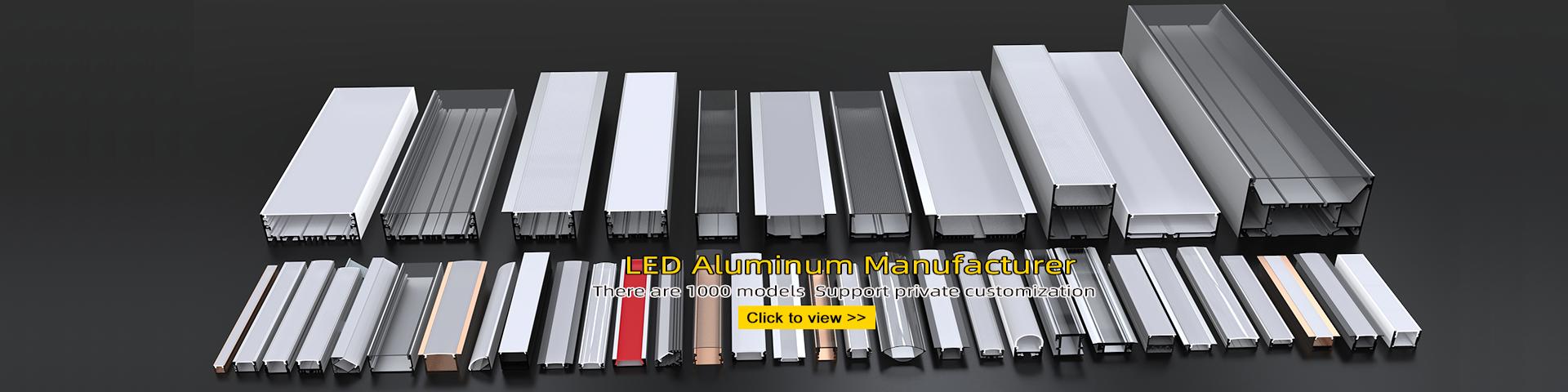
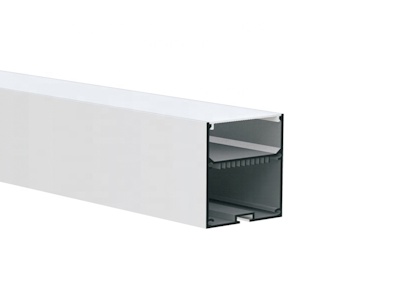
Алюминиевые профили — это изделия из алюминия, которые производятся методом экструзии. Это процесс, при котором алюминиевый сплав пропускается через форму (матрицу) под высоким давлением, создавая длинные секции с определенным поперечным сечением. Эти профили могут иметь различные формы: от простых прямоугольных до сложных геометрических конструкций. Они широко используются в строительстве для создания рам, каркасов, окон, дверей, фасадов и многих других элементов.
Но почему именно алюминий? Алюминий — это легкий металл с отличными механическими свойствами. Он обладает высокой прочностью, коррозионной стойкостью и легко поддается обработке. В сочетании с современными технологиями экструзии, алюминиевые профили становятся идеальным решением для строительных проектов, где важны долговечность, эстетика и функциональность.
Знаете ли вы, что алюминий начал массово использоваться в строительстве только в XX веке? До этого он считался дорогим и редким металлом. Однако с развитием технологий добычи и обработки, алюминий стал более доступным. Первые алюминиевые профили появились в 1920-х годах и быстро нашли применение в авиации, а затем и в архитектуре. Сегодня они являются неотъемлемой частью современного строительства, от небоскребов до жилых домов.
Развитие алюминиевых профилей шло рука об руку с инновациями в дизайне и инженерии. Например, в 1950-х годах были разработаны профили для стеклянных фасадов, которые позволили создавать здания с большими окнами и естественным освещением. С тех пор технологии не стояли на месте: появились термоизолированные профили, которые улучшают энергоэффективность зданий, и специальные покрытия, увеличивающие долговечность.
Алюминиевые профили можно классифицировать по различным критериям: форме, применению, свойствам. Давайте рассмотрим основные типы.
• Простые профили: например, угловые, Т-образные, U-образные. Они используются для базовых конструкций, таких как каркасы мебели или простые рамы.
• Сложные профили: имеют intricate designs, например, для оконных систем или фасадных элементов. Они часто включают каналы для проводов или уплотнителей.
• Строительные профили: для окон, дверей, фасадов, кровли. Они designed to withstand weather conditions and provide structural support.
• Промышленные профили: для machinery, conveyor systems, etc. They focus on strength and precision.
• Термоизолированные профили: имеют вставки из материалов like polyamide to reduce heat transfer, improving energy efficiency.
• Декоративные профили: с анодированным или painted finish for aesthetic appeal, often used in interior design.
Как производятся эти удивительные профили? Процесс начинается с выплавки алюминия из бокситовой руды. Затем алюминий alloyed with other elements like magnesium or silicon to enhance its properties. The alloy is cast into billets, which are heated and extruded through a die. After extrusion, the profiles are cooled, straightened, cut to length, and often subjected to surface treatments such as anodizing or powder coating to improve corrosion resistance and appearance.
Этот процесс позволяет создавать профили с высокой точностью и consistency, essential for construction applications where every millimeter counts. Modern factories use CNC machines and automated systems to ensure quality and efficiency.
Теперь перейдем к самому интересному: преимуществам. Почему алюминиевые профили так ценятся в строительстве? Вот ключевые причины.
Алюминий примерно в три раза легче стали, что делает его идеальным для высотных зданий и сложных конструкций. Это снижает нагрузку на фундамент и упрощает монтаж. Imagine building a skyscraper with heavy materials – it would be much more challenging and expensive. With aluminum, architects can design taller and more innovative structures without compromising safety.
Алюминий naturally forms a protective oxide layer that prevents rust. This makes it perfect for outdoor applications, especially in coastal areas or places with high humidity. Unlike steel, it doesn't require frequent painting or maintenance, saving time and money over the long term.
Despite its light weight, aluminum is strong and durable. It can withstand extreme weather conditions, impacts, and wear. Profiles made from high-strength alloys are used in seismic zones because of their ability to flex without breaking. This durability ensures that buildings last for decades with minimal upkeep.
Алюминий is 100% recyclable without loss of quality. Recycling it requires only 5% of the energy needed to produce new aluminum, making it a sustainable choice. In an era of growing environmental awareness, this is a huge plus. Many construction projects now prioritize materials with low carbon footprints, and aluminum fits the bill perfectly.
Алюминиевые профили can be easily shaped and finished to meet any design requirement. They can be anodized in various colors, powder-coated, or even wood-grained to mimic natural materials. This versatility allows architects to create visually stunning buildings that stand out. From sleek modern facades to classic designs, aluminum profiles offer endless possibilities.
With thermal break technology, aluminum profiles can significantly reduce heat loss in buildings. This improves insulation, lowers heating and cooling costs, and contributes to a greener environment. In cold climates, this is particularly important for comfort and energy savings.
Алюминий easy to cut, drill, and assemble, which speeds up construction times. Prefabricated profiles can be delivered to site and quickly installed, reducing labor costs and project timelines. This efficiency is crucial in fast-paced construction industries.
Где именно используются эти профили? Их применение охватывает практически все аспекты строительства.
Алюминиевые рамы для окон и дверей популярны due to their slim profiles, which allow for larger glass areas and more natural light. They are also resistant to deformation and easy to maintain.
Curtain walls made from aluminum profiles are common in commercial buildings. They provide weatherproofing, insulation, and a modern look. The profiles support glass or other cladding materials, creating energy-efficient envelopes.
For roofs and skylights, aluminum profiles offer lightweight support and durability. They are used in structures like atriums and greenhouses, where transparency and strength are key.
Inside buildings, aluminum profiles are used for partitions, ceilings, and furniture. Their sleek appearance adds a touch of modernity, and their functionality supports various design needs.
In bridges, towers, and other infrastructure, aluminum profiles provide strength without excess weight. They are also used in renewable energy projects, such as solar panel mounts, due to their corrosion resistance.
Как алюминиевые профили compare to alternatives like steel, wood, or PVC? Let's break it down.
Steel is stronger but heavier and prone to rust. Aluminum wins in weight and corrosion resistance, though it may cost more initially. For many applications, the long-term savings on maintenance make aluminum a better choice.
Wood is natural and insulating but requires more upkeep and is less durable. Aluminum offers modern aesthetics and low maintenance, though it lacks the warmth of wood. Composite solutions sometimes combine both.
PVC is cheap and insulating but less strong and can degrade over time. Aluminum is more robust and recyclable, making it superior for high-performance buildings.
Что ждет алюминиевые профили в будущем? Инновации продолжают pushed the boundaries. For example, smart profiles with integrated sensors for monitoring building health, or profiles made from recycled content to enhance sustainability. 3D printing and advanced alloys are also on the horizon, promising even greater customization and efficiency.
As cities grow and climate change demands greener solutions, aluminum profiles will play a crucial role in creating resilient, energy-efficient structures. The trend towards prefabrication and modular construction will further boost their adoption.
Итак, что такое алюминиевые профили для строительства? Это versatile, durable, and eco-friendly components that have revolutionized modern architecture. Their advantages—light weight, corrosion resistance, strength, and sustainability—make them an excellent choice for any construction project. Whether you're building a home, an office, or a landmark, aluminum profiles offer the performance and beauty needed to succeed.
Next time you see a gleaming skyscraper or a sleek window frame, remember the role of aluminum profiles. They are not just metal; they are the backbone of innovation in construction. Are you ready to incorporate them into your next project?
Эта статья предоставляет comprehensive overview, but if you have more questions, feel free to explore further. Спасибо за чтение!
 1388xx888xx