

Адрес:149, Aimin Road, Chashan Town, Dongguan, Guangdong, China
Телефон:1388xx888xx
Мобильные телефоны:1388xx888xx
Почтовый ящик:1388xx888xx@gmail.com
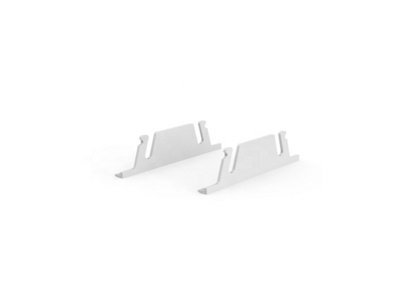
В современном строительстве и инженерии долговечность конструкций является одним из ключевых критериев, определяющих надежность и экономическую эффективность проектов. Среди множества элементов, используемых для соединения и укрепления конструкций, алюминиевые соединительные уголки занимают особое место благодаря своим уникальным свойствам. Эта статья подробно исследует преимущества алюминиевых уголков, объясняя, почему они способствуют повышению долговечности конструкций, и рассматривает их применение в различных отраслях, от жилищного строительства до промышленных объектов. Мы углубимся в технические аспекты, сравним алюминий с другими материалами и предоставим практические рекомендации для оптимального использования.
Алюминиевые соединительные уголки — это специализированные элементы, изготовленные из алюминиевых сплавов, которые используются для соединения и усиления различных частей конструкций, таких как стены, рамы, каркасы и фасады. Они играют crucial роль в обеспечении стабильности и прочности, особенно в условиях динамических нагрузок и внешних воздействий. История использования алюминия в строительстве насчитывает более века, начиная с его широкого внедрения в XX веке благодаря легкости и коррозионной стойкости. Сегодня, с развитием технологий производства, алюминиевые уголки стали неотъемлемой частью современных архитектурных решений, предлагая сочетание функциональности и эстетики.
Долговечность конструкции зависит от множества факторов, включая качество материалов, дизайн соединений, условия эксплуатации и обслуживание. Алюминиевые уголки вносят значительный вклад в этот аспект, обеспечивая надежное соединение, которое минимизирует риски деформации, коррозии и усталости материала. В этой статье мы рассмотрим основные преимущества этих элементов, подкрепленные научными данными и реальными примерами, чтобы помочь профессионалам и энтузиастам сделать informed решения при выборе материалов для своих проектов.
Одним из наиболее значимых преимуществ алюминиевых соединительных уголков является их исключительная коррозионная стойкость. В отличие от стальных уголков, которые подвержены ржавчине при воздействии влаги и агрессивных сред, алюминий естественным образом образует защитный оксидный слой на своей поверхности. Этот слой, толщиной всего несколько нанометров, эффективно предотвращает дальнейшее окисление, делая материал идеальным для использования в условиях высокой влажности, соленого воздуха (например, в прибрежных регионах) или промышленных загрязнений. Исследования показывают, что алюминиевые сплавы, такие как серии 6000 (например, 6061 или 6063), commonly используемые в уголках, демонстрируют коррозионную стойкость в 10-100 раз выше, чем у низкоуглеродистой стали, в зависимости от среды.
Это свойство напрямую влияет на долговечность конструкций, так как коррозия является одной из основных причин преждевременного выхода из строя соединений. В строительстве, где конструкции подвергаются постоянным погодным изменениям, алюминиевые уголки обеспечивают стабильность на протяжении десятилетий без необходимости частого обслуживания или замены. Например, в мостостроении или высотных зданиях, использование алюминиевых соединений может продлить срок службы на 20-30% по сравнению с традиционными материалами. Кроме того, коррозионная стойкость снижает затраты на lifecycle, включая уменьшение расходов на покраску, антикоррозионные покрытия и repairs, что делает алюминий экономически выгодным выбором в долгосрочной перспективе.
Алюминиевые соединительные уголки обладают выдающейся прочностью относительно их веса, что является еще одним critical преимуществом для долговечности конструкций. Благодаря advances в металлургии, современные алюминиевые сплавы могут иметь прочность на растяжение до 500 MPa, что сравнимо с некоторыми марками стали, но при значительно меньшем весе. Это позволяет создавать легкие yet robust соединения, которые выдерживают высокие нагрузки, включая статические и динамические усилия, такие как ветровые нагрузки, seismic activity или вибрации от machinery.
Механические свойства алюминия, такие как ударная вязкость и усталостная прочность, делают его ideal для уголков, которые often подвергаются циклическим нагрузкам. В tests, алюминиевые соединения демонстрируют меньшую склонность к crack propagation compared to steel, что снижает риск внезапных failures. For instance, в аэрокосмической промышленности, где долговечность критична, алюминиевые уголки используются extensively due to their high strength-to-weight ratio and fatigue resistance. В строительстве, это translates to более безопасные и durable structures, capable of withstanding extreme events like earthquakes or storms without significant degradation.
Кроме того, алюминий обладает хорошей пластичностью, что позволяет easily формировать уголки сложных geometries для optimized load distribution. This minimizes stress concentrations at connection points, a common cause of structural failures over time. By using finite element analysis (FEA) in design, engineers can tailor aluminum angles to specific applications, ensuring that they contribute maximally to the overall durability of the construction.
Легкость алюминиевых соединительных уголков — это не только advantage в terms of weight reduction but also a key factor in ease of installation, which indirectly enhances durability by reducing errors and improving quality during assembly. Aluminum has a density of approximately 2.7 g/cm³, compared to steel's 7.85 g/cm³, meaning that aluminum angles are about three times lighter for the same volume. This makes them easier to handle, transport, and install, especially in large-scale projects or hard-to-reach areas, such as high-rise buildings or remote infrastructure.
Simplified installation leads to better workmanship and fewer defects, which are crucial for long-term structural integrity. For example, in prefabricated construction, where speed and precision are essential, aluminum angles can be quickly assembled with standard tools like screws, bolts, or welding (using appropriate techniques for aluminum), reducing labor time and costs. This efficiency minimizes the risk of improper connections that could compromise durability, such as loose fittings or misalignments. Additionally, the light weight reduces the overall dead load on the structure, allowing for more slender designs and potentially longer spans without sacrificing strength, further contributing to durability by optimizing structural performance.
Moreover, the ease of modification and adaptability of aluminum angles means that they can be easily adjusted or replaced during the lifecycle of a structure, facilitating maintenance and upgrades without major disruptions. This flexibility ensures that constructions remain functional and safe over decades, adapting to changing needs or conditions.
В эпоху growing environmental awareness, sustainability has become a critical aspect of material selection for durability, and aluminum excels in this regard. Aluminum is highly recyclable, with the ability to be reprocessed multiple times without loss of properties, making it a cornerstone of circular economy principles. The production of recycled aluminum requires only about 5% of the energy needed for primary aluminum production, significantly reducing carbon footprint and resource consumption.
For connecting angles, this means that using aluminum contributes to the overall environmental durability of constructions by minimizing waste and promoting resource efficiency. At the end of a structure's life, aluminum angles can be easily dismantled and recycled, reducing landfill waste and supporting green building certifications like LEED or BREEAM. This not only enhances the ecological profile but also aligns with regulatory requirements and consumer preferences for sustainable practices.
Furthermore, aluminum's longevity reduces the need for frequent replacements, which in turn decreases the environmental impact associated with manufacturing, transportation, and disposal of materials. By choosing aluminum angles, builders and engineers can create structures that are not only durable in terms of performance but also sustainable over their entire lifecycle, ensuring that they meet future standards and contribute positively to the planet.
Алюминиевые соединительные уголки обладают excellent thermal and electrical properties that further enhance durability in specific applications. Aluminum has high thermal conductivity, which allows it to dissipate heat efficiently, preventing thermal stresses that can lead to material degradation over time. In constructions exposed to temperature variations, such as in climates with extreme heat or cold, aluminum angles help maintain structural stability by reducing thermal expansion and contraction issues. For instance, in solar panel installations or electronic enclosures, aluminum connections ensure reliable performance without overheating-related failures.
Electrically, aluminum is a good conductor, making it suitable for applications where electrical grounding or shielding is required, such as in telecommunications towers or power distribution systems. This property prevents corrosion induced by stray currents and ensures safety and longevity. However, it's important to note that aluminum can galvanically corrode when in contact with dissimilar metals like steel, so proper insulation or coatings are often used in mixed-material assemblies to mitigate this risk and preserve durability.
By leveraging these properties, aluminum angles can be integrated into smart buildings and infrastructure, where durability is linked to multifunctional performance. For example, in green buildings, aluminum connections might facilitate energy efficiency through better thermal management, indirectly prolonging the life of the structure by reducing energy-related stresses.
To fully appreciate the advantages of aluminum connecting angles, it's essential to compare them with alternatives such as steel, stainless steel, or plastic. Steel angles, while strong and inexpensive, are prone to corrosion without protective coatings, increasing maintenance costs and reducing longevity. Stainless steel offers better corrosion resistance but is heavier and more expensive, making it less ideal for weight-sensitive applications. Plastic angles, such as those made from PVC or fiberglass, are lightweight and corrosion-resistant but lack the mechanical strength and fire resistance of metals, limiting their use in high-load scenarios.
Aluminum strikes a balance between these extremes: it provides corrosion resistance similar to stainless steel at a lower weight and cost, and strength comparable to mild steel with better durability. For example, in a marine environment, aluminum angles outperform steel due to their innate resistance to saltwater corrosion, while in architectural applications, they offer aesthetic appeal with options for anodizing or powder coating to enhance appearance and protection. This versatility makes aluminum a superior choice for ensuring long-term durability across diverse conditions.
Case studies from industries like automotive or aerospace show that aluminum connections can reduce weight by up to 40% compared to steel, leading to fuel savings and extended service life. In construction, this translates to structures that remain intact for longer periods with minimal intervention, proving aluminum's value in durability-focused designs.
Алюминиевые соединительные уголки find applications in a wide range of industries, each benefiting from their durability-enhancing properties. In construction, they are used in framing for windows, doors, and curtain walls, where their light weight and corrosion resistance ensure long-lasting performance despite exposure to elements. In infrastructure, such as bridges and towers, aluminum angles provide reliable connections that withstand environmental stresses and reduce maintenance frequency.
In the automotive and aerospace sectors, aluminum angles are critical for assembling lightweight yet strong frames, contributing to vehicle durability and efficiency. For instance, in electric vehicles, aluminum connections help manage battery weight and improve crash safety. In consumer products like furniture or electronics, aluminum angles offer aesthetic durability with resistance to wear and tear.
Real-world examples include the use of aluminum angles in the Burj Khalifa, where they help maintain the skyscraper's structural integrity under wind loads, or in renewable energy projects like wind turbines, where their corrosion resistance is vital for offshore installations. By understanding these applications, professionals can better leverage aluminum angles to enhance durability in their specific contexts.
To maximize the durability benefits of aluminum connecting angles, proper selection, installation, and maintenance are crucial. Choose aluminum alloys based on the application: for high-strength needs, opt for series like 7075, while for general construction, 6061 or 6063 are suitable. Ensure that angles are designed with adequate thickness and geometry to handle expected loads, using engineering standards such as those from ASTM or ISO.
During installation, avoid galvanic corrosion by insulating aluminum from dissimilar metals or using compatible fasteners. Regular inspections should be conducted to check for signs of damage or wear, and cleaning with mild detergents can prevent dirt buildup that might trap moisture. Although aluminum requires less maintenance than steel, occasional touch-ups with protective coatings can extend its life in harsh environments.
By following these best practices, users can ensure that aluminum angles contribute fully to the durability of their constructions, providing reliable performance for decades. Educational resources and training for workers can further improve outcomes, making aluminum a smart investment for long-term projects.
В заключение, алюминиевые соединительные уголки предлагают множество преимуществ для долговечности конструкций, включая коррозионную стойкость, high прочность, легкий вес, экологичность и excellent thermal properties. These attributes make them ideal for a wide range of applications, from building construction to industrial machinery, ensuring that structures remain safe, functional, and sustainable over time. By choosing aluminum over alternatives, professionals can reduce lifecycle costs, minimize environmental impact, and achieve superior performance in challenging conditions.
As technology advances, we can expect further innovations in aluminum alloys and manufacturing techniques, such as additive manufacturing or nano-coatings, which will even more enhance the durability of connecting angles. Embracing these developments will allow the industry to build smarter, longer-lasting structures that meet the demands of the future. Ultimately, the investment in aluminum angles pays off through extended service life, reduced maintenance, and a positive contribution to global sustainability goals.
We encourage readers to consider aluminum for their next project and consult with experts to tailor solutions to their specific needs. With proper implementation, aluminum connecting angles can be a cornerstone of durable, efficient, and environmentally responsible design.
 1388xx888xx