

Адрес:149, Aimin Road, Chashan Town, Dongguan, Guangdong, China
Телефон:1388xx888xx
Мобильные телефоны:1388xx888xx
Почтовый ящик:1388xx888xx@gmail.com
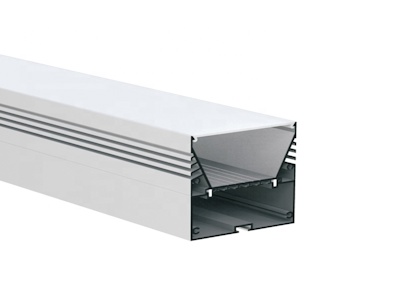
Современное строительство стремится к инновациям, эффективности и устойчивости, и алюминиевые профильные каркасы становятся ключевым элементом в этом процессе. Эти конструкции, изготовленные из высококачественного алюминия, предлагают непревзойденное сочетание прочности, легкости и долговечности, что делает их идеальными для широкого спектра применений, от высотных зданий до жилых домов. В этой статье мы подробно рассмотрим, почему алюминиевые профильные каркасы являются оптимальным выбором для современного строительства, обсуждая их преимущества, применение, экологические аспекты и будущие тенденции.
Алюминиевые профильные каркасы представляют собой структурные элементы, изготовленные из алюминиевых сплавов, которые формируются в различные профили, такие как балки, колонны и рамы. Эти каркасы широко используются в строительстве благодаря своим уникальным свойствам. Алюминий, как материал, обладает высокой коррозионной стойкостью, что делает его пригодным для использования в агрессивных средах, включая прибрежные регионы и промышленные зоны. Кроме того, его легкий вес упрощает транспортировку и монтаж, снижая общие затраты на строительство.
История использования алюминия в строительстве восходит к началу XX века, но только в последние десятилетия, с развитием технологий производства, алюминиевые профильные каркасы стали массово применяться. Сегодня они являются неотъемлемой частью современных архитектурных проектов, способствуя созданию эстетически привлекательных и функциональных зданий. В отличие от традиционных материалов, таких как сталь или дерево, алюминий предлагает лучшее соотношение прочности и веса, что особенно важно в условиях сейсмической активности или высоких ветровых нагрузок.
Преимущества алюминиевых профильных каркасов включают не только механические характеристики, но и гибкость дизайна. Архитекторы могут легко интегрировать эти каркасы в сложные формы, создавая уникальные и инновационные структуры. Это открывает новые возможности для творчества в строительстве, позволяя реализовывать проекты, которые ранее были невозможны с другими материалами.
Одним из главных преимуществ алюминиевых профильных каркасов является их исключительная прочность. Алюминиевые сплавы, используемые в строительстве, такие как серии 6000 и 7000, обладают высокой прочностью на растяжение и сжатие, что позволяет выдерживать значительные нагрузки. Это делает их идеальными для использования в несущих конструкциях, где надежность является критически важной. Например, в высотных зданиях алюминиевые каркасы могут поддерживать большие веса без добавления излишней массы, что снижает нагрузку на фундамент и улучшает общую устойчивость сооружения.
Легкость алюминия — еще одно ключевое преимущество. По сравнению со сталью, алюминий примерно в три раза легче, что значительно облегчает handling и монтаж. Это приводит к сокращению времени строительства и снижению затрат на логистику. Кроме того, меньший вес означает, что для поддержки каркаса требуется менее массивный фундамент, что может привести к экономии материалов и уменьшению воздействия на окружающую среду. В условиях урбанизации, где пространство ограничено, это преимущество становится особенно ценным.
Коррозионная стойкость алюминия делает его долговечным материалом. В отличие от стали, которая требует регулярной покраски или обработки для предотвращения ржавчины, алюминий естественным образом образует защитный оксидный слой, который предохраняет его от повреждений. Это снижает затраты на обслуживание и увеличивает срок службы конструкций. В климатических условиях с высокой влажностью или солевыми испарениями, таких как приморские регионы, алюминиевые каркасы демонстрируют превосходную performance, оставаясь функциональными и эстетичными на протяжении десятилетий.
Экологичность — еще один важный аспект. Алюминий является полностью перерабатываемым материалом, и его производство из вторичного сырья требует значительно меньше энергии, чем первичное производство. Это способствует снижению углеродного следа строительных проектов и соответствует глобальным тенденциям устойчивого развития. Использование алюминиевых профильных каркасов может помочь достичь сертификаций, таких как LEED или BREEAM, которые поощряют экологически ответственное строительство.
Гибкость и универсальность дизайна также выделяют алюминиевые каркасы. Они могут быть легко адаптированы к различным архитектурным стилям, от современных минималистичных designs до классических форм. Профили могут быть изготовлены в широком диапазоне размеров и конфигураций, что позволяет создавать сложные геометрии и интегрировать их с другими строительными материалами, такими как стекло или композиты. Это делает алюминиевые каркасы идеальными для проектов, где эстетика и функциональность идут рука об руку.
Алюминиевые профильные каркасы находят применение в разнообразных строительных проектах. В коммерческом строительстве они часто используются для создания каркасов офисных зданий, торговых центров и выставочных залов. Их легкость и прочность позволяют architects проектировать большие открытые пространства без необходимости в массивных опорах, что enhances гибкость внутренней планировки. Например, в аэропортах или вокзалах, где требуется большая пропускная способность и визуальная открытость, алюминиевые каркасы обеспечивают необходимую structural integrity.
В жилищном строительстве алюминиевые профильные каркасы gaining popularity due to their ability to support modern designs, such as open-plan homes or modular constructions. Они могут быть использованы для создания каркасов entire зданий или отдельных elements, like оконных и дверных systems. This not only improves energy efficiency by allowing for better insulation but also adds a sleek, contemporary look to residences. In regions prone to earthquakes, the flexibility and shock-absorbing properties of aluminum make it a safer choice compared to more rigid materials.
Промышленное строительство также benefits from aluminum profiles. In factories and warehouses, where durability and resistance to environmental factors are crucial, aluminum frames provide long-lasting support for heavy machinery and storage systems. Their corrosion resistance means they can withstand exposure to chemicals, moisture, and temperature variations without degradation. Additionally, the ease of assembly allows for quick construction and modifications, which is essential in dynamic industrial environments.
Инфраструктурные projects, such as bridges, tunnels, and public facilities, increasingly incorporate aluminum profiles. For instance, in pedestrian bridges, the light weight of aluminum reduces the load on supports and foundations, while its strength ensures safety and longevity. In renewable energy sectors, aluminum frames are used in solar panel installations and wind turbines, where their durability and light weight contribute to efficient energy production. This versatility underscores the role of aluminum profiles in supporting sustainable development goals.
Beyond traditional construction, aluminum profiles are integral to temporary structures like event stages, exhibition booths, and emergency shelters. Their portability and reusability make them ideal for such applications, reducing waste and promoting circular economy principles. As urbanization accelerates, the demand for flexible and adaptive building solutions will only grow, further cementing the position of aluminum profiles in modern construction.
Устойчивость является central to modern construction, and aluminum profiles excel in this regard. The production of aluminum, while energy-intensive initially, becomes highly efficient when using recycled materials. Recycling aluminum saves up to 95% of the energy required for primary production, significantly reducing greenhouse gas emissions. This makes aluminum one of the most sustainable metals available, with a closed-loop lifecycle that minimizes environmental impact.
In construction, the use of aluminum profiles contributes to energy efficiency in buildings. For example, aluminum frames in windows and facades can be designed with thermal breaks to reduce heat loss, lowering heating and cooling costs. This aligns with green building standards and helps achieve energy certifications. Moreover, the longevity of aluminum means that structures require fewer repairs and replacements over time, reducing resource consumption and waste generation.
The recyclability of aluminum also means that at the end of a building's life, the profiles can be easily dismantled and reused or recycled into new products. This circular approach contrasts with materials like concrete or plastics, which often end up in landfills. By choosing aluminum profiles, builders and developers can demonstrate a commitment to environmental stewardship, appealing to environmentally conscious consumers and stakeholders.
Furthermore, aluminum's resistance to corrosion and degradation means that it does not release harmful substances into the environment, unlike some treated woods or metals. This makes it a safe choice for projects in sensitive ecosystems or urban areas where air and water quality are concerns. As regulations on sustainability tighten globally, the adoption of aluminum profiles is likely to increase, driven by their eco-friendly credentials.
Innovations in aluminum production, such as the use of renewable energy sources and advanced alloy technologies, are further enhancing its sustainability profile. For instance, some manufacturers now produce aluminum using hydropower or solar energy, reducing the carbon footprint even further. These advancements ensure that aluminum profiles remain at the forefront of sustainable construction practices, supporting a greener future for the industry.
Будущее алюминиевых профильных каркасов выглядит bright, with ongoing innovations poised to expand their applications. One emerging trend is the integration of smart technologies into aluminum structures. For example, profiles embedded with sensors can monitor structural health, detecting stress, temperature changes, or damage in real-time. This enables predictive maintenance, enhancing safety and reducing downtime in critical infrastructure.
Additive manufacturing, or 3D printing, is another area where aluminum profiles are evolving. While traditional extrusion methods remain dominant, 3D printing allows for the creation of complex, customized profiles that were previously impossible to produce. This could revolutionize design possibilities, enabling architects to experiment with organic shapes and optimize material usage for maximum efficiency.
In terms of materials science, research is focused on developing new aluminum alloys with even higher strength-to-weight ratios and improved sustainability. Nanotechnology, for instance, is being explored to enhance the properties of aluminum, making it suitable for extreme conditions, such as in aerospace or deep-sea construction. These advancements will likely lead to lighter, stronger, and more durable profiles, further solidifying their role in modern construction.
The push towards modular and prefabricated construction is also benefiting from aluminum profiles. Their light weight and ease of assembly make them ideal for off-site manufacturing, where components are produced in factories and transported to the construction site for quick installation. This approach reduces construction waste, improves quality control, and shortens project timelines, aligning with the growing demand for efficient and sustainable building methods.
As global challenges like climate change and urbanization intensify, the importance of resilient and adaptable construction materials will grow. Aluminum profiles, with their combination of strength, lightness, and sustainability, are well-positioned to meet these demands. Future projects may see increased use of aluminum in hybrid structures, combining it with other materials like carbon fiber or bio-based composites to achieve optimal performance. This interdisciplinary approach will drive innovation and ensure that aluminum remains a cornerstone of modern architecture and engineering.
В заключение, алюминиевые профильные каркасы представляют собой идеальное решение для современного строительства, предлагая unmatched преимущества в terms of прочности, легкости, долговечности и экологичности. Их широкое применение across various sectors—from commercial and residential to industrial and infrastructure—highlights their versatility and reliability. As the construction industry continues to evolve towards more sustainable and efficient practices, aluminum profiles will play a crucial role in shaping the built environment.
By embracing innovations and adhering to green principles, stakeholders can leverage these profiles to create structures that are not only functional and aesthetic but also future-proof. Whether it's reducing carbon footprints, enhancing design flexibility, or improving safety, aluminum profiles deliver on multiple fronts. Therefore, for anyone involved in modern construction, considering aluminum profile frames is not just a choice—it's a strategic investment in a better, more sustainable world.
As we look ahead, the continued development of aluminum technologies promises even greater opportunities. From smart integrations to advanced materials, the potential is vast. By staying informed and adaptive, the construction industry can harness the full power of aluminum profiles to build a legacy of innovation and resilience for generations to come.
 1388xx888xx