

Адрес:149, Aimin Road, Chashan Town, Dongguan, Guangdong, China
Телефон:1388xx888xx
Мобильные телефоны:1388xx888xx
Почтовый ящик:1388xx888xx@gmail.com
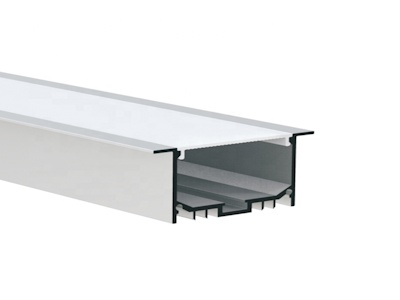
Вы когда-нибудь задумывались, почему алюминиевые профили так популярны в современном строительстве и промышленности? Что делает их одновременно прочными и легкими? Как технологии позволяют создавать такие удивительные материалы? В этой статье мы погрузимся в мир алюминиевых профилей, раскроем их секреты и ответим на все ваши вопросы, чтобы вы могли лучше понять их преимущества и применение.
Алюминиевые профили — это изделия из алюминия, которые имеют определенную форму и сечение, созданные путем экструзии или других методов обработки. Они используются в самых разных областях: от строительства зданий и мостов до производства мебели, автомобилей и даже космических аппаратов. Но почему именно алюминий? Этот металл обладает уникальными свойствами: он легкий, прочный, устойчивый к коррозии и легко поддается обработке. Кроме того, алюминий является одним из самых распространенных элементов на Земле, что делает его доступным и экологически дружественным материалом.
Однако не все алюминиевые профили одинаковы. Их свойства зависят от сплавов, технологии производства и обработки. Например, добавление таких элементов, как магний, кремний или медь, может значительно повысить прочность и твердость алюминия. Это позволяет создавать профили, которые выдерживают высокие нагрузки, не теряя при этом своей легкости. Но как именно это достигается? Давайте разберемся подробнее.
Прочность алюминиевых профилей — это результат сочетания нескольких факторов: выбора правильного сплава, технологии производства и последующей обработки. Алюминий сам по себе не очень прочный металл, но когда его легируют другими элементами, его механические свойства значительно улучшаются. Например, сплав алюминия с магнием (серия 5xxx) обладает высокой коррозионной стойкостью и хорошей прочностью, что делает его идеальным для морских применений. А сплавы с кремнием (серия 6xxx) часто используются в строительстве благодаря их высокой прочности и легкости обработки.
Технология экструзии играет ключевую роль в создании прочных профилей. Во время экструзии алюминиевый слиток нагревается и пропускается через матрицу, которая придает ему нужную форму. Этот процесс позволяет создавать сложные сечения с равномерным распределением материала, что обеспечивает высокую прочность на изгиб и кручение. Кроме того, после экструзии профили могут подвергаться термической обработке, такой как старение или закалка, чтобы further повысить их прочность и твердость.
Но прочность — это не только о механических свойствах. Алюминиевые профили также должны быть устойчивы к environmental factors, such as corrosion, UV radiation, and temperature changes. How do they achieve this? Through surface treatments like anodizing or powder coating. Anodizing creates a protective oxide layer on the surface of the aluminum, which not only enhances corrosion resistance but also allows for colorful finishes. Powder coating provides a durable, decorative layer that can withstand harsh conditions. These treatments ensure that aluminum profiles remain strong and reliable for decades, even in challenging environments.
Одним из самых больших преимуществ алюминиевых профилей является их легкость. Алюминий имеет плотность около 2.7 g/cm³, что примерно в три раза меньше, чем у стали. Это означает, что алюминиевые конструкции weigh significantly less, making them easier to transport, install, and handle. But does lightness come at the expense of strength? Not necessarily. Thanks to advanced alloys and design techniques, aluminum profiles can achieve strength-to-weight ratios that rival or even exceed those of steel.
Легкость алюминия открывает endless possibilities in various industries. In construction, it allows for the creation of large, elegant structures without the need for heavy supporting frameworks. In transportation, it helps reduce fuel consumption and emissions by making vehicles lighter. In consumer products, it enables the design of sleek, portable devices. But how is this lightness maintained during production? Through precise engineering and optimization of cross-sectional shapes. By using finite element analysis and other design tools, engineers can create profiles that are both light and strong, minimizing material waste and maximizing performance.
However, lightness is not just about weight. It also contributes to sustainability. Aluminum is highly recyclable, and recycling it requires only 5% of the energy needed to produce primary aluminum. This means that using aluminum profiles can significantly reduce the carbon footprint of projects. Moreover, the light weight of aluminum reduces transportation costs and energy consumption throughout the product lifecycle. So, when you choose aluminum profiles, you're not only benefiting from their performance but also supporting environmental conservation.
Производство алюминиевых профилей — это сложный процесс, который involves several steps: melting and alloying, casting, homogenization, extrusion, and finishing. Let's take a closer look at each stage to understand how secrets of strength and lightness are unlocked.
First, aluminum is melted in furnaces and mixed with alloying elements to create the desired composition. The molten metal is then cast into billets or logs, which are cylindrical shapes ready for extrusion. Homogenization heat treatment is applied to ensure uniform microstructure and eliminate internal stresses. This step is crucial for achieving consistent properties in the final product.
Next comes extrusion, the heart of profile production. The billet is heated to around 400-500°C and forced through a die using a hydraulic press. The die shapes the aluminum into the desired profile cross-section. This process allows for incredible flexibility in design; profiles can be simple rectangles or complex shapes with multiple chambers. After extrusion, the profiles are cooled and stretched to straighten them and relieve stresses.
Finishing processes include cutting to length, machining, and surface treatments. Machining might involve drilling, milling, or tapping to prepare profiles for assembly. Surface treatments, such as anodizing or painting, enhance appearance and durability. Advanced technologies like CNC machining and automated lines ensure high precision and efficiency, making modern aluminum profiles not only strong and light but also perfectly tailored to specific applications.
Алюминиевые профили find applications in virtually every sector. In construction, they are used for windows, doors, curtain walls, and structural frameworks. Their lightness allows for larger glass areas and more innovative designs, while their strength ensures safety and longevity. In the automotive industry, aluminum profiles are used in body frames, bumpers, and heat exchangers to reduce weight and improve fuel efficiency. In electronics, they provide heat dissipation and structural support for devices like smartphones and laptops.
But the versatility of aluminum profiles doesn't stop there. They are also essential in renewable energy projects, such as solar panel frames and wind turbine components, where lightness and corrosion resistance are critical. In furniture design, they enable sleek, modern aesthetics with minimal weight. Even in aerospace, aluminum profiles are used in aircraft structures due to their high strength-to-weight ratio. The question is: what makes aluminum profiles so adaptable? It's their ability to be customized through alloy selection, extrusion design, and finishing, allowing them to meet the specific demands of each application.
Moreover, aluminum profiles contribute to sustainability. As mentioned, aluminum is recyclable, and many profiles are made from recycled content. This circular economy approach reduces waste and conserves resources. Additionally, the energy savings from using light aluminum structures can have a significant impact over time, making them a smart choice for green building certifications like LEED or BREEAM.
The world of aluminum profiles is constantly evolving. Innovations in materials science, such as nano-structured alloys and composite materials, are pushing the boundaries of strength and lightness. For example, researchers are developing aluminum matrix composites reinforced with carbon fibers or ceramics, which offer even higher performance. In production, additive manufacturing (3D printing) is beginning to be used for creating complex profiles that were previously impossible with traditional extrusion.
Digitalization is another trend shaping the future. With IoT and smart manufacturing, producers can monitor and optimize the extrusion process in real-time, ensuring higher quality and efficiency. Design software allows for virtual testing and simulation, reducing the need for physical prototypes and speeding up development. These advancements mean that aluminum profiles will become even more tailored, efficient, and sustainable in the years to come.
But what does this mean for you? Whether you're an architect, engineer, or consumer, understanding these secrets can help you make informed decisions. By choosing the right aluminum profiles, you can achieve better performance, lower costs, and a smaller environmental footprint. The future is bright for aluminum, and its profiles will continue to play a vital role in shaping our world.
В этой статье мы explored the secrets behind strong and light aluminum profiles. From alloy composition and extrusion technology to surface treatments and applications, we've seen how these factors combine to create materials that are both durable and lightweight. Aluminum profiles are not just metal pieces; they are the result of centuries of innovation and engineering excellence.
But are all secrets revealed? Probably not. The field is always advancing, and new discoveries are made every day. However, by understanding the basics, you can appreciate the value of aluminum profiles and leverage their benefits in your projects. So next time you see a sleek building or a efficient vehicle, remember the hidden secrets of aluminum that make it all possible.
If you have more questions or want to dive deeper, feel free to explore further resources or consult with experts. The world of aluminum is vast and full of opportunities. Embrace it, and let these profiles help you build a stronger, lighter, and more sustainable future.
 1388xx888xx