


Адрес:149, Aimin Road, Chashan Town, Dongguan, Guangdong, China
Телефон:1388xx888xx
Мобильные телефоны:1388xx888xx
Почтовый ящик:1388xx888xx@gmail.com
В современной глобальной экономике экспорт алюминиевых профилей играет решающую роль для достижения международного успеха. Эти профили, используемые в строительстве, машиностроении и других отраслях, представляют собой высококачественные изделия, спрос на которые растет по всему миру. В этой статье мы подробно рассмотрим, как экспорт алюминиевых профилей может стать ключевым фактором для выхода на международные рынки, обеспечивая устойчивый рост и конкурентоспособность.
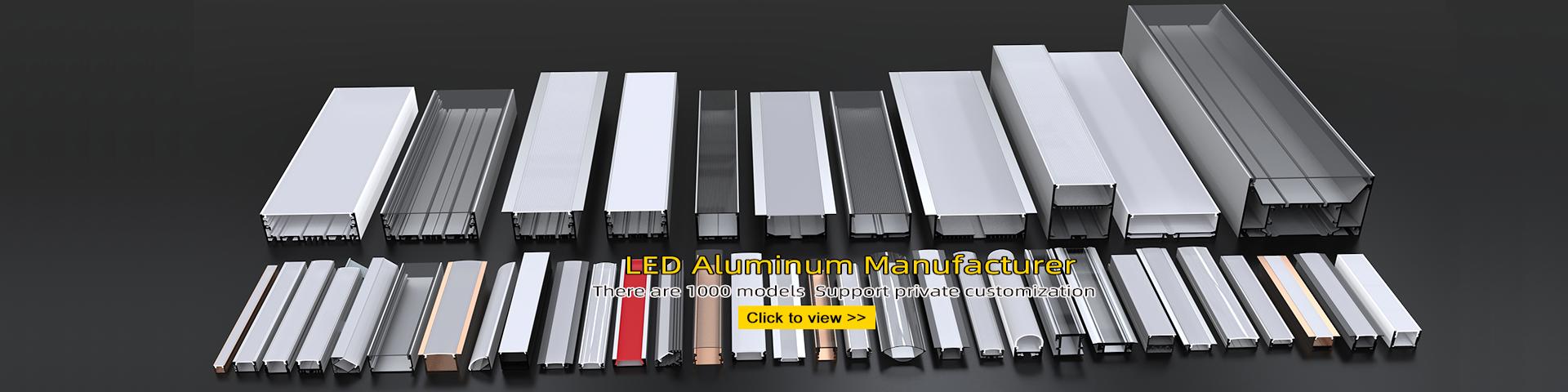
Алюминиевые профили – это универсальные конструкции, изготавливаемые из алюминиевых сплавов, которые обладают легкостью, прочностью и коррозионной стойкостью. Они находят применение в различных сферах, включая строительство зданий, производство транспортных средств, электронику и даже мебельную промышленность. Благодаря своим свойствам, алюминиевые профили становятся незаменимыми в проектах, требующих долговечности и эстетики.
История использования алюминия насчитывает более века, но только в последние десятилетия технологии позволили массово производить профили с высокой точностью. Сегодня ведущие производители, такие как компании из Китая, России и Европы, инвестируют в современное оборудование, чтобы удовлетворить растущий глобальный спрос. Экспорт этих продуктов не только приносит доход, но и укрепляет позиции стран на мировой арене.
Мировой рынок алюминиевых профилей демонстрирует устойчивый рост, driven by urbanization, infrastructure development, and technological advancements. По данным отраслевых отчетов, объем рынка превышает $50 миллиардов ежегодно, с ожидаемым CAGR (среднегодовым темпом роста) около 5-7% в ближайшие годы. Ключевыми регионами-потребителями являются Северная Америка, Европа и Азия, где строительный бум и индустриализация стимулируют спрос.
В Азии, particularly in China and India, rapid urbanization has led to increased demand for aluminum profiles in construction and manufacturing. Европа, с ее stringent environmental regulations, favors aluminum for its recyclability and energy efficiency. Северная Америка focuses on high-performance applications in aerospace and automotive sectors. Understanding these regional dynamics is crucial for exporters to tailor their strategies and capture market share.
Конкуренция на рынке интенсивная, с доминированием крупных игроков like Alcoa, Hydro, and Chinese manufacturers. Однако, niche markets and customization opportunities allow smaller exporters to thrive. For instance, specialized profiles for renewable energy projects or smart buildings are emerging as lucrative segments. Exporters must conduct thorough market research to identify trends, such as the shift towards sustainable materials, which aluminum excels in due to its low carbon footprint when recycled.
Экспорт алюминиевых профилей offers numerous benefits for businesses and economies. Firstly, it provides access to larger customer bases, diversifying revenue streams and reducing dependence on domestic markets. This is particularly important in times of economic volatility, as international sales can buffer against local downturns.
Secondly, exporting enhances brand recognition and credibility. By meeting international standards and certifications, companies demonstrate their commitment to quality, which can lead to long-term partnerships and repeat business. For example, compliance with ISO standards or regional norms like CE marking in Europe is essential for market entry.
Thirdly, economies of scale from export-oriented production can lower costs per unit, making businesses more competitive. Investment in advanced manufacturing technologies, such as extrusion presses and CNC machines, improves efficiency and allows for mass production of customized profiles. This not only boosts profitability but also fosters innovation, as exporters adapt to diverse customer needs.
Moreover, export activities stimulate job creation and economic growth in the home country. From raw material extraction to finished product shipping, the supply chain involves multiple sectors, contributing to GDP and technological advancement. Governments often support exporters through incentives, tax breaks, and trade agreements, further facilitating international expansion.
To succeed in exporting aluminum profiles, businesses must adopt comprehensive strategies. Market research is the foundation; understanding target regions' demands, regulations, and cultural nuances is vital. Tools like SWOT analysis (assessing strengths, weaknesses, opportunities, threats) help identify competitive advantages and potential pitfalls.
Product differentiation is key. Offering unique profiles, such as those with enhanced thermal properties or custom designs, can set exporters apart. Investing in R&D to develop innovative alloys or coatings (e.g., anodized or powder-coated finishes) adds value and meets specific industry requirements.
Building strong distribution networks is crucial. Partnering with local distributors, agents, or setting up overseas offices ensures efficient logistics and customer support. Utilizing digital platforms, like B2B marketplaces and social media, enhances visibility and facilitates direct sales to international buyers.
Pricing strategies must balance competitiveness and profitability. Factors like currency exchange rates, tariffs, and transportation costs should be factored in. Offering flexible payment terms, such as letters of credit or escrow services, builds trust with new clients.
Compliance with international trade laws and standards is non-negotiable. This includes adhering to export controls, environmental regulations (e.g., REACH in Europe), and quality certifications. Regular audits and certifications from bodies like the Aluminum Association ensure product reliability.
Lastly, marketing and branding efforts should highlight the benefits of aluminum profiles, such as sustainability, durability, and versatility. Participating in international trade fairs, publishing case studies, and leveraging customer testimonials can boost credibility and attract global clients.
Technological advancements are revolutionizing the production of aluminum profiles, making export more feasible and profitable. Modern extrusion technologies allow for precise shaping of profiles with complex geometries, reducing material waste and improving efficiency. Computer-aided design (CAD) and computer-aided manufacturing (CAM) systems enable rapid prototyping and customization, catering to diverse international demands.
Automation and robotics in manufacturing lines enhance productivity and consistency. For instance, automated handling systems reduce labor costs and minimize errors, ensuring high-quality output that meets export standards. Industry 4.0 initiatives, such as IoT-enabled equipment, provide real-time monitoring and predictive maintenance, optimizing production processes.
Innovations in alloy development have led to profiles with superior properties. For example, high-strength aluminum alloys are used in aerospace applications, while corrosion-resistant alloys are ideal for marine environments. Research into nano-coatings and surface treatments improves aesthetics and functionality, opening up new export markets in luxury consumer goods or high-tech industries.
Sustainability is a major driver of innovation. Recycling technologies allow for the production of profiles from recycled aluminum, which consumes up to 95% less energy than primary production. This not only reduces environmental impact but also appeals to eco-conscious markets, enhancing export opportunities in regions with strict green policies.
Digital twins and simulation software help optimize extrusion processes, reducing trial and error and speeding up time-to-market. By investing in these technologies, exporters can offer competitive products that align with global trends towards efficiency and sustainability.
The export of aluminum profiles has significant economic implications. It contributes to foreign exchange earnings, improves trade balances, and fosters industrial growth. For developing countries, it can be a pathway to economic diversification, reducing reliance on raw material exports and moving up the value chain.
From an environmental perspective, aluminum is highly recyclable, with a recycling rate of over 90% in some regions. This circular economy aspect reduces waste and conserves resources, making aluminum profiles a sustainable choice. Exporters who emphasize green credentials can tap into growing demand for environmentally friendly products, particularly in Europe and North America.
However, challenges exist, such as energy-intensive production processes. Primary aluminum production is carbon-intensive, but advancements in renewable energy integration and carbon capture technologies are mitigating this. Exporters should adopt best practices, like using hydropower or solar energy in manufacturing, to minimize their carbon footprint and comply with international environmental standards.
Life cycle assessments (LCA) show that aluminum profiles, when recycled, have a lower environmental impact compared to alternatives like steel or plastic. This positions them favorably in markets prioritizing sustainability. By highlighting these benefits in marketing materials, exporters can differentiate themselves and gain a competitive edge.
Government policies play a role too. Subsidies for green manufacturing or tariffs on carbon-intensive imports can influence export dynamics. Staying informed about regulatory changes and adapting strategies accordingly is essential for long-term success.
Numerous companies have achieved international success through exporting aluminum profiles. For instance, a Chinese manufacturer expanded into European markets by offering cost-effective, high-quality profiles for construction, leveraging China's manufacturing scale and efficiency. By obtaining CE certification and partnering with local distributors, they captured significant market share.
Another example is a Russian company that focused on niche markets, such as profiles for Arctic construction, where durability in extreme conditions is critical. Through targeted marketing and participation in international expos, they established a strong presence in Northern Europe and Canada.
In the Middle East, a UAE-based exporter capitalized on the region's construction boom by supplying customized profiles for skyscrapers and infrastructure projects. Their success was driven by agile supply chains and adherence to international quality standards, earning them contracts with major global firms.
These case studies highlight the importance of adaptability, quality assurance, and strategic partnerships. Lessons learned include the need for continuous innovation, customer-centric approaches, and resilience in facing trade barriers or economic fluctuations.
The future of exporting aluminum profiles looks promising, with several trends shaping the industry. The push towards smart cities and IoT integration will increase demand for profiles used in intelligent building systems, such as those housing sensors and communication devices.
Renewable energy sectors, like solar and wind power, require lightweight and durable aluminum structures for mounting systems and frames. Exporters who specialize in these applications can benefit from the global transition to clean energy.
Advancements in additive manufacturing (3D printing) may enable on-demand production of custom profiles, reducing lead times and inventory costs. This could revolutionize export logistics, allowing for more responsive supply chains.
Geopolitical shifts, such as new trade agreements or sanctions, will impact export dynamics. Diversifying markets and staying agile can help mitigate risks. For example, the Belt and Road Initiative offers opportunities for Asian exporters to access new regions.
Consumer preferences are evolving towards personalized and sustainable products. Exporters that embrace digitalization, offer eco-friendly options, and provide excellent customer service will be well-positioned for growth. Collaborations with research institutions and industry consortia can drive innovation and open up new export avenues.
В заключение, экспорт алюминиевых профилей является мощным инструментом для достижения международного успеха. Благодаря своим универсальным свойствам, растущему спросу и технологическим инновациям, этот сектор предлагает immense opportunities for businesses worldwide. By adopting strategic approaches, focusing on quality and sustainability, and leveraging global trends, exporters can unlock new markets and drive economic growth. The key lies in continuous adaptation and a commitment to excellence, ensuring that aluminum profiles remain a cornerstone of global industry for years to come.
As the world moves towards a more interconnected and sustainable future, the role of aluminum profiles will only expand. Whether in construction, transportation, or emerging technologies, their export will continue to be a vital component of international trade. Embrace the challenge, invest in innovation, and seize the opportunities that await in the global marketplace.
 1388xx888xx