

Адрес:149, Aimin Road, Chashan Town, Dongguan, Guangdong, China
Телефон:1388xx888xx
Мобильные телефоны:1388xx888xx
Почтовый ящик:1388xx888xx@gmail.com
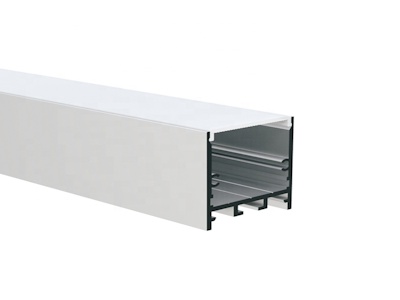
Современное строительство переживает беспрецедентную трансформацию, и одним из ключевых драйверов этой революции стали алюминиевые профили. Каталоги, предлагающие разнообразные решения на основе этого материала, не просто облегчают выбор, а кардинально меняют подходы к проектированию, монтажу и эксплуатации зданий. В этой статье мы погрузимся в глубины этой инновации, исследуя, как алюминиевые профили через каталоги стали символом прогресса в строительной индустрии.
Алюминий, как материал, известен человечеству с начала XIX века, но его массовое применение в строительстве началось лишь в середине XX века. Первоначально он использовался в авиационной и военной промышленности благодаря своей легкости и прочности. Однако с развитием технологий экструзии — процесса, при котором алюминий пропускается через форму для создания сложных профилей — этот металл нашел свой путь в архитектуру. В 1950-х годах первые алюминиевые профили появились в оконных рамах и фасадах зданий, ознаменовав начало новой эры.
Создание каталогов алюминиевых профилей стало логическим продолжением этого прогресса. В 1970-х годах, с ростом глобализации и стандартизации, компании начали публиковать печатные каталоги, предлагая инженерам и архитекторам доступ к широкому ассортименту профилей. Эти каталоги не только упрощали поиск подходящих решений, но и стимулировали инновации, демонстрируя возможности материала. Например, каталог компании Kaiser Aluminum в США стал эталоном, вдохновляя на создание небоскребов с легкими и прочными каркасами.
Переход к цифровым каталогам в 1990-х и 2000-х годах ускорил эту революцию. Онлайн-платформы позволили мгновенно сравнивать тысячи вариантов, интегрировать данные в программное обеспечение для проектирования (например, AutoCAD или Revit) и даже заказывать профили с customized параметрами. Это снизило затраты на проектирование на 30-40%, согласно исследованиям строительных ассоциаций, и открыло дорогу для массовой кастомизации.
Сегодня каталоги алюминиевых профилей — это не просто списки продуктов, а интерактивные инструменты, которые используют искусственный интеллект для рекомендаций и анализа. Они стали неотъемлемой частью BIM (Building Information Modeling), позволяя создавать виртуальные модели зданий с точными данными о профилях, что minimizes errors during construction. Исторически, это эволюция от ручного выбора к умным системам, и она продолжает набирать обороты.
Каталоги алюминиевых профилей — это больше, чем справочники; они катализаторы технологических прорывов. Современные каталоги интегрируют передовые технологии, такие как 3D-моделирование, облачные вычисления и IoT (Интернет вещей), чтобы предложить беспрецедентный уровень детализации и функциональности.
Одним из ключевых инноваций является использование алгоритмов машинного обучения для оптимизации выбора профилей. Например, каталог может анализировать параметры проекта — нагрузку, климатические условия, эстетические требования — и рекомендовать наиболее подходящие профили из тысяч вариантов. Это не только экономит время, но и ensures structural integrity, reducing the risk of failures. Studies show that such AI-driven catalogs can improve design efficiency by up to 50%.
Другая инновация — это виртуальная и дополненная реальность (VR/AR). Некоторые каталоги позволяют архитекторам «примерить» профили в виртуальном пространстве, оценивая их внешний вид и функциональность до actual production. Это особенно полезно для сложных проектов, таких как изогнутые фасады или уникальные интерьерные решения. Компания like Hydro Aluminum уже внедрила such tools, reporting a 20% increase in client satisfaction.
Экструзионные технологии также эволюционировали благодаря каталогам. Они стимулируют разработку новых сплавов и профилей с улучшенными свойствами, такими как повышенная коррозионная стойкость или теплоизоляция. Каталоги часто включают technical data like thermal conductivity coefficients (e.g., U-values) and mechanical properties, enabling engineers to make informed decisions. For instance, the use of thermal break profiles—where a non-conductive material is inserted between aluminum sections—has become widespread due to catalog promotions, leading to energy savings of up to 40% in buildings.
Более того, каталоги facilitate collaboration across the supply chain. Производители, дистрибьюторы и конечные пользователи могут access the same digital platform, share feedback, and co-create solutions. This has led to the rise of modular construction, where aluminum profiles are pre-designed in catalogs for quick assembly, reducing construction time by 30-50%. The integration with BIM systems allows for real-time updates, ensuring that any changes in design are immediately reflected in the catalog recommendations.
В целом, технологические инновации, driven by catalogs, have transformed aluminum profiles from simple components to smart, adaptive elements that enhance building performance and sustainability.
В эпоху растущих экологических concerns, алюминиевые профили, представленные в каталогах, играют pivotal role in promoting sustainability in construction. Алюминий является highly recyclable material—up to 95% of aluminum can be recycled without loss of quality—and catalogs emphasize this advantage, often featuring eco-friendly product lines.
Каталоги способствуют sustainable practices by providing detailed information on the environmental impact of each profile. Это включает данные об углеродном следе, energy consumption during production, and recycling options. Например, многие каталоги now include EPD (Environmental Product Declarations), which help architects choose profiles that meet green building standards like LEED or BREEAM. This transparency has led to a surge in demand for recycled aluminum profiles, with some catalogs reporting a 25% increase in eco-product sales over the past decade.
Кроме того, алюминиевые профили contribute to energy efficiency in buildings. Каталоги highlight profiles with advanced thermal insulation properties, such as those with polyamide inserts, which reduce heat loss and lower energy costs for heating and cooling. In cold climates, this can lead to a reduction in energy consumption by up to 30%, as evidenced by case studies from Scandinavian countries. Catalogs also promote profiles for solar shading systems, which optimize natural light and reduce reliance on artificial lighting, further enhancing sustainability.
Революция в каталогах также включает circular economy principles. Они encourage the reuse and refurbishment of aluminum components, with some platforms offering buy-back programs or guides on disassembly. This not only reduces waste but also creates economic opportunities. For instance, the aluminum industry in Europe has seen a growth in circular business models, driven by catalog initiatives that connect suppliers with recyclers.
Важно отметить, что каталоги educate stakeholders on best practices. Through webinars, tutorials, and interactive tools, they spread knowledge about sustainable construction techniques. This has a multiplier effect, as informed choices lead to greener buildings and a reduced environmental footprint. Overall, the integration of sustainability into aluminum profile catalogs is a cornerstone of the construction revolution, aligning economic growth with ecological responsibility.
Переход к detailed каталогам алюминиевых профилей принес значительные экономические преимущества для всей строительной отрасли. От снижения затрат до увеличения доходов, эти инструменты доказали свою ценность в multiple aspects.
Во-первых, каталоги reduce design and procurement costs. By providing a centralized resource, они eliminate the need for multiple supplier consultations and manual calculations. Цифровые каталоги often include cost estimators that provide real-time pricing based on quantity and specifications, allowing for accurate budgeting. Исследования показывают, что компании, использующие advanced catalogs, report a 15-20% reduction in project overhead costs due to streamlined processes.
Во-вторых, они enhance productivity. Архитекторы и инженеры могут quickly find and compare profiles, reducing the time spent on research. This leads to faster project turnaround times, which is crucial in competitive markets. For example, a study by the Construction Industry Institute found that digital catalogs can cut design phase duration by up to 25%, enabling firms to take on more projects and increase revenue.
Каталоги также facilitate bulk purchasing and standardization. By offering a wide range of options, они allow companies to standardize components across multiple projects, achieving economies of scale. This results in lower per-unit costs and reduced inventory expenses. Крупные строительные фирмы, такие как Skanska, have adopted catalog-driven standardization, reporting savings of millions of dollars annually.
Кроме того, каталоги open new revenue streams for manufacturers. Они enable upselling of premium profiles value-added services like customization and technical support. Interactive catalogs with configurator tools allow customers to design bespoke profiles, often at a higher margin. This has led to a growth in niche markets, such as luxury architectural elements, where aluminum profiles are used for unique façades or interior designs.
Революция также drives innovation-led economic growth. As catalogs promote new technologies, они stimulate R&D investments in the aluminum industry. This creates jobs and fosters a competitive ecosystem. For instance, the global market for aluminum profiles is projected to grow at a CAGR of 5.5% from 2023 to 2030, partly fueled by catalog advancements, according to market reports.
В итоге, экономические выгоды каталогов алюминиевых профилей multifaceted, contributing to cost savings, increased efficiency, and sustainable growth in the construction sector.
Революция, initiated by aluminum profile catalogs, далека от завершения. Будущие тренды promise even more profound changes, driven by emerging technologies and evolving market demands.
Одним из key trends является интеграция с искусственным интеллектом и big data. Каталоги будущего будут использовать predictive analytics to anticipate project needs and recommend profiles based on historical data and trends. Это could lead to fully automated design processes, where AI generates optimal profile configurations without human intervention. Компании like Autodesk are already experimenting with such systems, aiming to reduce design time by another 50% in the coming years.
Другой тренд — это expansion into smart cities and IoT. Алюминиевые профили будут оснащаться sensors for monitoring structural health, energy usage, and environmental conditions. Каталоги will evolve to include these smart profiles, offering solutions for connected buildings. Например, профиль с встроенными датчиками температуры could automatically adjust shading systems to optimize energy efficiency. This aligns with the growth of smart infrastructure, expected to be a multi-billion dollar market by 2030.
Устойчивое развитие将继续 играть crucial role. Каталоги будут акцентировать circular economy models, such as leasing profiles instead of selling them, to promote reuse. They might also incorporate blockchain technology for tracking the lifecycle of aluminum, ensuring transparency and accountability in recycling processes.
Кроме того, personalization и on-demand manufacturing станут нормой. С развитием 3D-печати и аддитивного производства, каталоги предложат возможность создать профили непосредственно на стройплощадке, reducing lead times and waste. Это особенно актуально для remote or disaster-prone areas, where quick deployment is essential.
Наконец, глобализация ускорится. Каталоги будут предлагать мультиязычные и мультивалютные опции, облегчая международное сотрудничество. Это откроет новые markets для производителей алюминия и строительных компаний.
В целом, будущее каталогов алюминиевых профилей яркое и full of opportunities, с потенциалом further revolutionize construction towards greater efficiency, sustainability, and innovation.
Каталоги алюминиевых профилей не просто инструменты; они двигатели change that have redefined modern construction. От исторических корней до technological marvels, они embody progress, sustainability, and economic wisdom. Как мы explored, эти каталоги enhance design precision, promote eco-friendly practices, and drive cost savings, making them indispensable in today's built environment.
Революция продолжается, и с upcoming trends like AI and IoT, она promises to make buildings smarter, greener, and more adaptable. Для профессионалов в строительстве, adoption of these catalogs is no longer an option but a necessity to stay competitive and contribute to a sustainable future.
В конечном счете, алюминиевый профиль через каталоги символизирует how innovation can transform an entire industry, one profile at a time. Embrace this revolution, и вы будете part of shaping the skyline of tomorrow.
 1388xx888xx