

Адрес:149, Aimin Road, Chashan Town, Dongguan, Guangdong, China
Телефон:1388xx888xx
Мобильные телефоны:1388xx888xx
Почтовый ящик:1388xx888xx@gmail.com

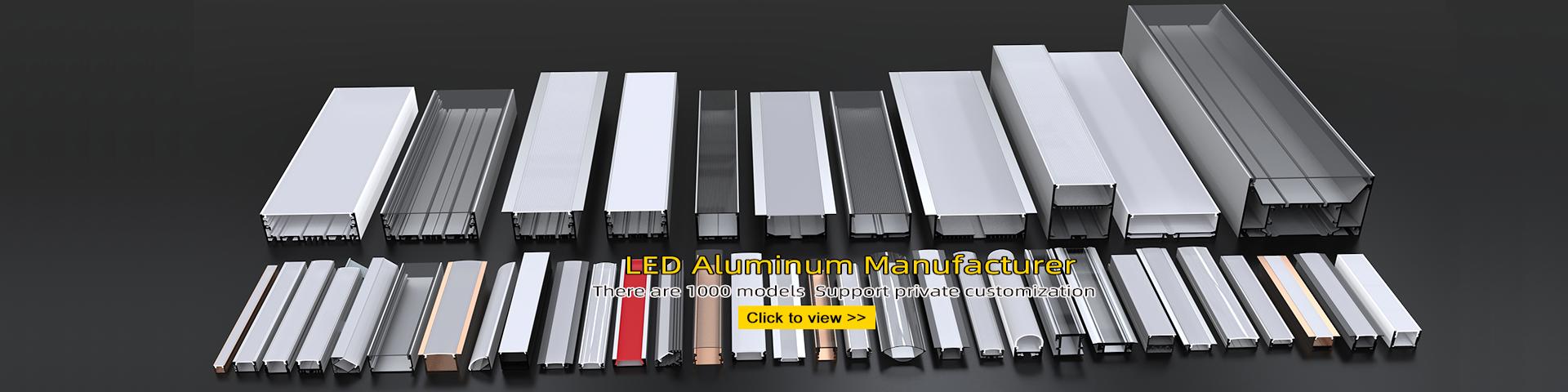
В мире, где технологии стремительно меняют нашу повседневность, строительная отрасль не остаётся в стороне. Одним из ключевых элементов, определяющих современный облик городов и зданий, являются алюминиевые профили. Эти универсальные конструкции не просто служат опорой для стеклянных фасадов или оконных рам – они символизируют прогресс, инновации и устойчивое развитие. В этой статье мы глубоко погрузимся в тему, раскрывая, почему алюминиевые профили уже сегодня формируют будущее строительства, и как они способны преобразить нашу среду обитания.
Алюминий, как материал, известен человечеству с XIX века, но его истинный потенциал раскрылся лишь в последние десятилетия. Благодаря лёгкости, прочности и коррозионной стойкости, алюминиевые профили стали незаменимы в строительстве. От небоскрёбов в Дубае до скромных жилых домов в Европе – эти элементы обеспечивают структурную целостность, эстетическую привлекательность и энергоэффективность. Но что делает их настолько особенными? Ответ кроется в сочетании передовых технологий производства и многогранности применения.
Исторически, строительство relied на традиционных материалах like дерево и сталь, но алюминий предложил революционную альтернативу. Его добыча и обработка стали более экологичными, а переработка позволяет снизить углеродный след. Сегодня, алюминиевые профили – это не просто функциональные компоненты; они – часть глобального тренда на умные и зелёные здания. В этой статье мы explore ключевые аспекты: от технологических инноваций до реальных кейсов, демонстрирующих, как алюминиевые профили уже здесь, определяя завтрашний день архитектуры.
Процесс производства алюминиевых профилей начинается с добычи бокситов – основной руды алюминия. Через электролиз получают первичный алюминий, который затем подвергается экструзии – методу формовки, при котором металл пропускают через матрицу для создания профилей заданной формы. Этот процесс позволяет достичь высокой точности и customization, что критически важно для сложных архитектурных проектов. Современные технологии, такие как компьютерное моделирование и автоматизированные линии, ensure, что каждый профиль обладает идеальными геометрическими параметрами и прочностью.
Инновации в области сплавов further усилили свойства алюминия. Например, добавление магния и кремния повышает твёрдость и устойчивость к деформациям, делая профили пригодными для экстремальных климатических условий. Кроме того, процессы анодирования и порошкового окрашивания not only улучшают эстетику, но и предоставляют дополнительную защиту от UV-излучения и коррозии. Это означает, что здания, построенные с использованием таких профилей, могут простоять десятилетиями без значительного обслуживания, reducing long-term costs и environmental impact.
В эпоху Industry 4.0, производство алюминиевых профилей интегрируется с IoT и big data. Датчики monitor качество на каждом этапе, а алгоритмы оптимизируют energy consumption during extrusion. This not only повышает efficiency, но и aligns с целями устойчивого развития. For instance, компании like Hydro и Alcoa инвестируют в green technologies, such как использование возобновляемой энергии для reduction углеродных emissions. Таким образом, технологическая эволюция делает алюминиевые профили not just строительным material, а символом прогресса.
Алюминиевые профили обладают myriad преимуществ, которые делают их предпочтительным выбором для architects и инженеров. Во-первых, их лёгкость – алюминий weighs approximately one-third стали, что позволяет создавать более лёгкие конструкции without компромисса по прочности. This особенно важно для высотных зданий, где снижение веса can lead to экономии на фундаменте и overall costs. Кроме того, лёгкость упрощает transportation и монтаж, ускоряя сроки строительства.
Прочность и долговечность – другие key factors. Алюминиевые профили resistant к коррозии, thanks to natural oxide layer, which protects against moisture and chemicals. This делает их ideal для coastal areas или промышленных environments, где другие материалы might degrade quickly. Additionally, они maintain свои properties over wide temperature ranges, from -80°C to 300°C, ensuring reliability in diverse climates.
Энергоэффективность – critical в современном construction. Алюминиевые профили often used in combination with thermal breaks – inserts из материалов like полиамида, которые reduce heat transfer. This improves insulation зданий, leading to lower energy consumption for heating and cooling. For example, в пассивных домах, такие системы can cut energy costs by up to 90%. Moreover, reflectivity алюминия helps in managing solar gain, contributing to комфортный indoor climate.
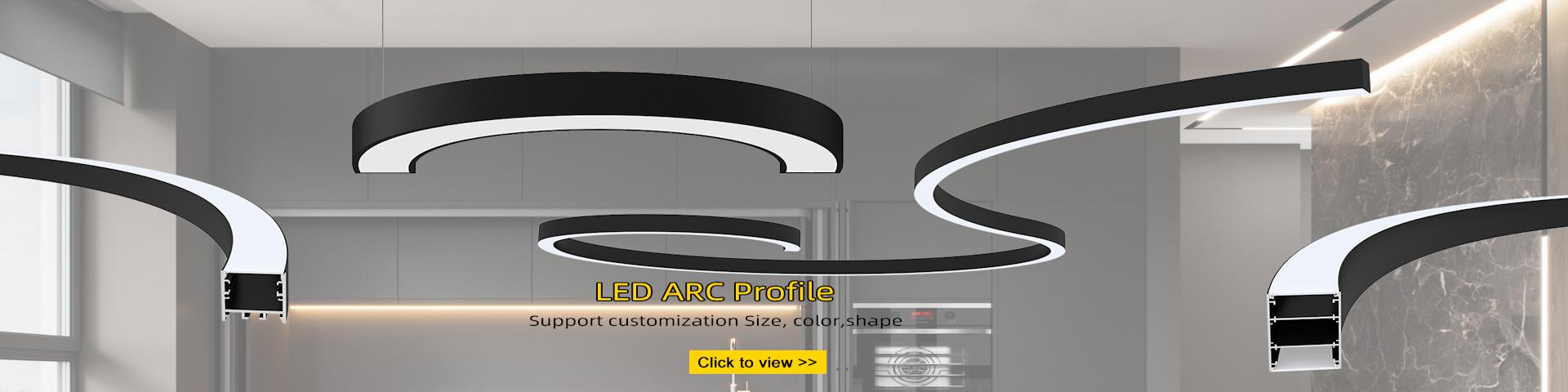
Эстетическая гибкость – ещё одно преимущество. Profiles can be customized into various shapes and colors, allowing architects to realize creative designs. From curved facades to minimalist interiors, алюминий offers versatility that few materials can match. This not only enhances visual appeal but also supports branding and identity in commercial projects.
Экологичность – growing concern in construction. Алюминий is highly recyclable; up to 95% of it can be reused without loss of quality. Recycling requires only 5% of the energy needed for primary production, significantly reducing carbon footprint. Life cycle assessments show that buildings with aluminum profiles have lower environmental impact over time, aligning with global sustainability goals like those set by the UN.
Алюминиевые профили find application across diverse sectors of construction, demonstrating their adaptability. In residential building, они used for windows, doors, and curtain walls, providing durability and energy savings. For instance, in Europe, many passive houses utilize aluminum profiles to achieve net-zero energy status. The ease of installation and low maintenance make them popular among homeowners seeking long-term value.
In commercial construction, profiles are essential for high-rise buildings and offices. The Burj Khalifa in Dubai, one of the tallest structures globally, relies extensively on aluminum for its facade system, ensuring wind resistance and aesthetic consistency. Similarly, shopping malls and airports use profiles for large-span structures and sleek entrances, enhancing user experience through natural light and open spaces.
Industrial applications include warehouses and factories, where aluminum profiles offer corrosion resistance and strength for frameworks and partitioning. They are also used in greenhouses and agricultural buildings due to their light weight and ability to support glazing for optimal light transmission.
Infrastructure projects, such as bridges and tunnels, benefit from aluminum's durability and resistance to environmental stressors. For example, the Millau Viaduct in France incorporates aluminum components to reduce weight and improve longevity. Additionally, in temporary structures like exhibition halls, profiles enable quick assembly and disassembly, supporting flexible usage.
Emerging trends include integration with smart technologies. Aluminum profiles can house sensors for climate control or security systems, turning buildings into interconnected ecosystems. This aligns with the rise of smart cities, where efficiency and sustainability are paramount.
The future of aluminum profiles in construction is bright, driven by continuous innovation. One emerging trend is the development of bio-based or recycled aluminum alloys, which further reduce environmental impact. Companies are experimenting with additives from renewable sources to enhance properties while maintaining recyclability.
Digitalization plays a key role; Building Information Modeling (BIM) allows for precise design and integration of profiles into complex structures. This minimizes waste and ensures compatibility with other building elements. Additionally, 3D printing of aluminum components is on the horizon, enabling custom geometries that were previously impossible.
Energy harvesting is another frontier. Researchers are exploring aluminum profiles embedded with photovoltaic cells or piezoelectric materials to generate electricity from sunlight or structural movements. This could transform buildings into power plants, contributing to energy independence.
Climate adaptation is crucial; future profiles may incorporate phase-change materials for better thermal management or self-healing coatings to repair minor damages automatically. Such advancements will make buildings more resilient to extreme weather events.
Collaboration with other industries, like aerospace, brings lightweight and high-strength technologies to construction. For instance, lessons from aircraft design are applied to create profiles that withstand seismic activities or high winds.
Overall, the integration of AI and machine learning will optimize production and usage, predicting maintenance needs and enhancing sustainability. The aluminum profile of tomorrow will not just be a building block but a smart, adaptive element in our urban landscape.
To illustrate the impact of aluminum profiles, consider the Shard in London, where they form the iconic glass facade, providing structural support and energy efficiency. The building uses thermal-break profiles to reduce heat loss, saving millions in operational costs annually.
In China, the Shanghai Tower employs aluminum profiles in its double-skin facade, which improves insulation and reduces wind load. This design has set a benchmark for sustainable skyscrapers worldwide.
Residential examples include passive houses in Germany, such as the Darmstadt Kranichstein project, where aluminum profiles help achieve ultra-low energy consumption through superior sealing and insulation.
Industrial case: the Tesla Gigafactory in Nevada uses aluminum profiles for its roofing and framing, leveraging their durability and ease of assembly to scale production quickly.
These cases demonstrate how aluminum profiles are already reshaping construction, offering tangible benefits in cost, efficiency, and sustainability. They serve as blueprints for future projects, inspiring global adoption.
В заключение, алюминиевые профили represent not just a material choice but a paradigm shift in construction. Their combination of lightness, strength, durability, and eco-friendliness makes them indispensable for modern architecture. As technologies advance, they will continue to evolve, integrating smart features and enhancing sustainability.
The evidence is clear: from towering skyscrapers to humble homes, aluminum profiles are already here, driving innovation and setting new standards. By embracing these elements, the construction industry can build a future that is not only functional and beautiful but also resilient and green. The future of construction is aluminum, and it has already arrived.
Investing in aluminum profiles means investing in progress – for our buildings, our planet, and generations to come. Let's continue to explore and innovate, ensuring that this future remains bright and accessible to all.
 1388xx888xx