

Адрес:149, Aimin Road, Chashan Town, Dongguan, Guangdong, China
Телефон:1388xx888xx
Мобильные телефоны:1388xx888xx
Почтовый ящик:1388xx888xx@gmail.com

В мире современного дизайна и архитектуры выбор материалов играет ключевую роль в создании функциональных, эстетичных и долговечных пространств. Среди множества вариантов алюминиевый декоративный профиль выделяется как универсальное и инновационное решение. В этой статье мы глубоко погрузимся в причины, по которым этот материал завоевал сердца дизайнеров, архитекторов и домовладельцев по всему миру. Мы рассмотрим его уникальные свойства, применения, экологические преимущества и будущие тенденции, чтобы вы могли принять обоснованное решение для своих проектов.
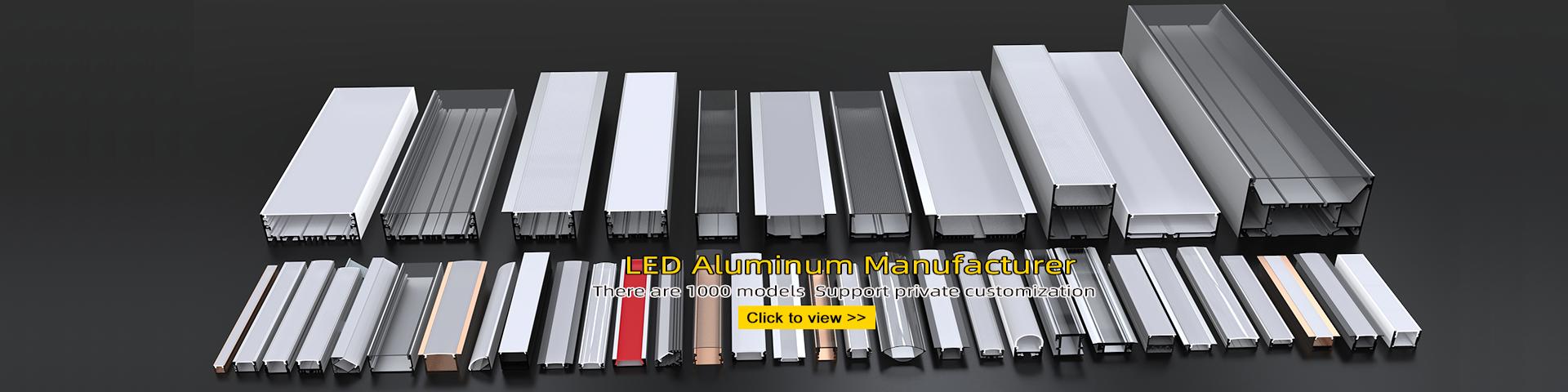
Алюминиевый декоративный профиль – это изделие из алюминия, которое используется для украшения и функционального усиления различных конструкций. Профили могут быть различных форм, размеров и отделок, что делает их идеальными для широкого спектра применений. От интерьеров жилых помещений до фасадов коммерческих зданий, алюминий предлагает непревзойденную гибкость и прочность.
Исторически алюминий стал популярным в строительстве в XX веке благодаря своим легким свойствам и коррозионной стойкости. Сегодня, с развитием технологий производства, алюминиевые профили могут быть изготовлены с высокой точностью, позволяя создавать сложные дизайны, которые раньше были невозможны. Это делает их незаменимыми в современной архитектуре, где эстетика и функциональность идут рука об руку.
В современном дизайне тренды смещаются в сторону минимализма, устойчивости и инноваций. Алюминиевый профиль идеально соответствует этим требованиям, предлагая чистые линии, долговечность и возможность переработки. Будь то создание sleek-интерьеров или energy-efficient экстерьеров, этот материал предоставляет бесконечные возможности для творчества.
Одним из главных преимуществ алюминия является его исключительное соотношение веса и прочности. Алюминиевые профили легкие, что упрощает транспортировку и монтаж, но при этом они обладают высокой механической прочностью. Это означает, что они могут выдерживать значительные нагрузки без деформации, делая их идеальными для использования в конструкциях, где важен вес, таких как подвесные потолки или раздвижные двери.
Например, в сравнении со сталью, алюминий примерно в три раза легче, но при правильной обработке может быть столь же прочным. Это свойство особенно ценно в высотном строительстве, где снижение веса конструкции может привести к экономии на фундаменте и overall costs. Кроме того, легкость алюминия делает его безопасным для использования в интерьерах, где тяжелые материалы могут представлять риск.
Прочность алюминиевых профилей также обеспечивается возможностью их укрепления через сплавы. Добавление элементов, таких как магний или кремний, может значительно увеличить твердость и устойчивость к износу. Это делает профили долговечными и способными противостоять ежедневному использованию в высокотraffic areas, таких как торговые центры или офисные здания.
Алюминий естественным образом образует защитный оксидный слой на своей поверхности, который предотвращает коррозию. Это свойство делает его идеальным для использования в условиях высокой влажности или агрессивных сред, таких как прибрежные регионы или промышленные зоны. В отличие от железа или стали, которые требуют регулярного обслуживания для предотвращения ржавчины, алюминиевые профили могут служить десятилетиями без значительного ухудшения.
Для дополнительной защиты алюминий может быть анодирован или покрыт порошковыми красками. Анодирование увеличивает толщину оксидного слоя, enhancing durability and providing a range of color options. Powder coating, on the other hand, offers a durable, scratch-resistant finish that can be customized to match any design aesthetic. This corrosion resistance not only extends the lifespan of the profiles but also reduces maintenance costs over time.
В экстерьерных применениях, таких как фасады или оконные рамы, коррозионная стойкость алюминия обеспечивает надежность и эстетическую привлекательность. Это особенно важно в современных дизайнах, где clean lines and a pristine appearance are paramount. With aluminum, designers can achieve a sleek, modern look that stands the test of time and elements.
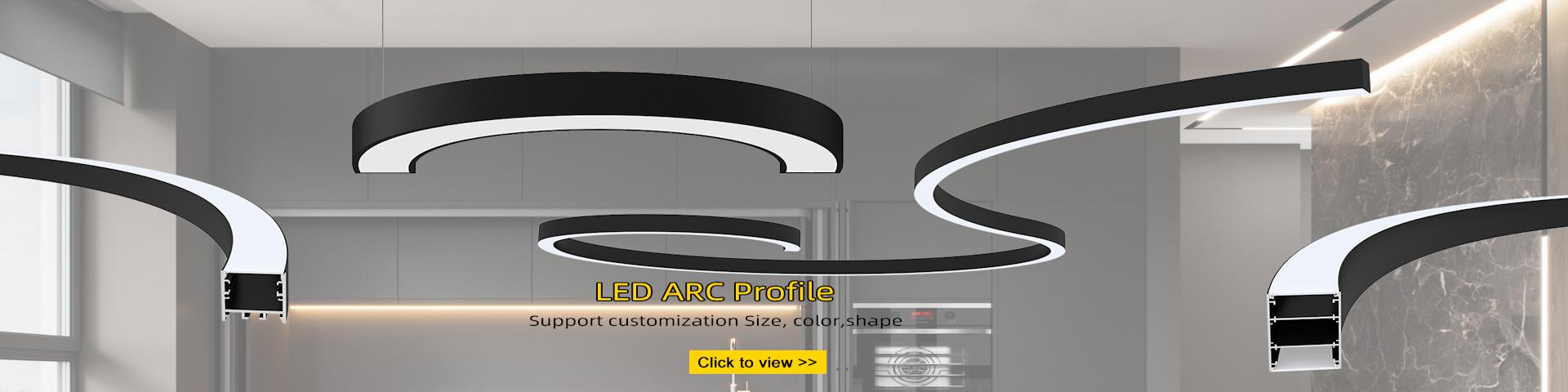
Алюминиевые профили offer unparalleled design flexibility due to their malleability and ease of fabrication. They can be extruded into virtually any shape or size, allowing for custom designs that meet specific project requirements. Whether it's a curved profile for a unique architectural feature or a intricate pattern for decorative purposes, aluminum can be molded to realize the most ambitious visions.
This flexibility extends to finishes and colors. Aluminum profiles can be anodized in a spectrum of hues, from metallic silvers and golds to bold blacks and bronzes. Alternatively, powder coating provides a matte or glossy finish in any color imaginable, enabling seamless integration with various design schemes. This versatility makes aluminum a favorite among designers who value creativity and customization.
In interior design, aluminum profiles can be used to create sleek transitions between materials, such as between glass and wood, or to add subtle accents that enhance the overall aesthetic. For example, in modern kitchens, aluminum profiles can frame cabinets or islands, adding a touch of sophistication without overwhelming the space. The ability to bend and shape aluminum allows for innovative applications that other materials cannot match.
В эпоху growing environmental awareness, sustainability is a critical factor in material selection. Aluminum is highly sustainable due to its recyclability. It can be recycled repeatedly without loss of quality, reducing the need for virgin material and minimizing environmental impact. In fact, recycling aluminum requires only 5% of the energy needed to produce new aluminum, making it an energy-efficient choice.
Many aluminum profiles are made from recycled content, further enhancing their green credentials. This aligns with modern building standards, such as LEED certification, which reward the use of sustainable materials. By choosing aluminum, designers and builders can contribute to reducing carbon footprints and promoting circular economy practices.
Additionally, aluminum's durability means that products made from it have a long lifespan, reducing waste over time. When a building is renovated or demolished, aluminum components can be easily recovered and recycled, closing the loop on resource use. This makes aluminum not only an aesthetic and functional choice but also a responsible one for the planet.
Алюминиевые профили can contribute to energy efficiency in buildings through their use in windows, doors, and facades. When designed with thermal breaks—insulating barriers within the profile—aluminum can help reduce heat transfer, improving insulation and lowering heating and cooling costs. This is particularly important in extreme climates, where energy consumption for climate control can be significant.
Modern aluminum systems often incorporate advanced glazing and sealing technologies that enhance energy performance. For instance, in curtain wall systems, aluminum frames support double or triple glazing, which minimizes heat loss and gains. This not only saves energy but also enhances occupant comfort by maintaining consistent indoor temperatures.
Furthermore, the reflectivity of aluminum can be leveraged to reduce solar heat gain in warm climates. By choosing light-colored or reflective finishes, buildings can stay cooler, reducing the need for air conditioning. This energy-efficient aspect makes aluminum a smart choice for sustainable design projects aimed at achieving net-zero energy goals.
Алюминиевые профили are relatively easy to install due to their light weight and modular nature. They often come with pre-drilled holes and standardized connections, simplifying the assembly process and reducing labor time. This ease of installation can lead to cost savings on construction projects, as less time and effort are required compared to heavier materials like steel or wood.
Maintenance is also straightforward. The corrosion-resistant properties of aluminum mean that profiles rarely need painting or treatment to prevent decay. A simple cleaning with soap and water is usually sufficient to keep them looking new. This low maintenance requirement is a significant advantage for busy commercial spaces or residential areas where upkeep might be challenging.
In terms of repairs, damaged aluminum sections can often be replaced individually without affecting the entire structure, thanks to their modular design. This modularity also allows for easy upgrades or modifications, making aluminum profiles future-proof and adaptable to changing needs.
В интерьерах алюминиевые профили find extensive use in various elements. They are commonly employed in ceiling systems, where they create sleek, modern looks while hiding wiring and fixtures. In residential settings, profiles can frame mirrors, artwork, or shelving, adding a contemporary edge to traditional spaces.
For furniture, aluminum profiles provide structural support and aesthetic appeal. They can be used in tables, chairs, and storage units, offering a lightweight yet sturdy alternative to wood or plastic. The ability to anodize or coat aluminum means it can complement any color scheme, from minimalist monochromes to vibrant palettes.
In commercial interiors, such as offices or retail stores, aluminum profiles are used for partitioning, signage, and display systems. Their durability ensures they can withstand high traffic, while their clean appearance enhances brand image. For example, in a retail environment, aluminum frames for product displays can create an organized, upscale feel that attracts customers.
На экстерьере алюминиевые профили are integral to modern architecture. They are used in window and door frames, providing strength and weather resistance while allowing for large glass areas that maximize natural light. This is essential for creating bright, open spaces that are energy-efficient.
In facade systems, aluminum profiles support cladding materials like glass, metal panels, or composite materials. They enable innovative designs, such as curved facades or dynamic shapes, that would be difficult with other materials. The lightweight nature of aluminum reduces the load on the building structure, allowing for more creative freedom.
For outdoor features like pergolas, railings, or lighting elements, aluminum offers durability against the elements. Its corrosion resistance ensures that these features remain attractive and functional for years, with minimal upkeep. In urban landscapes, aluminum profiles are used in public art or street furniture, contributing to aesthetically pleasing and sustainable cities.
Beyond standard uses, aluminum profiles are employed in specialized areas such as transportation and industrial design. In automotive and aerospace industries, lightweight aluminum components improve fuel efficiency and performance. Similarly, in consumer electronics, aluminum casings provide a premium feel and durability.
In the medical field, aluminum profiles are used in equipment stands and modular systems due to their hygiene and ease of cleaning. The non-porous surface of aluminum prevents bacterial growth, making it ideal for environments where sanitation is critical.
For DIY enthusiasts and custom projects, aluminum extrusions are available in kits that allow for easy assembly of structures like greenhouses, workbenches, or shelving units. This accessibility democratizes design, enabling anyone to create professional-looking projects without specialized skills.
ПВХ (поливинилхлорид) is another popular material for profiles, particularly in windows and doors. While PVC is inexpensive and offers good insulation, it lacks the strength and durability of aluminum. PVC can become brittle over time, especially in UV exposure, leading to cracking or discoloration. Aluminum, in contrast, maintains its integrity and appearance longer, making it a better investment for long-term projects.
Environmentally, PVC is less sustainable as it is derived from petroleum and can release harmful chemicals during production or disposal. Aluminum's recyclability gives it a clear edge in green building practices. Additionally, aluminum profiles can be recycled at the end of their life, whereas PVC often ends up in landfills.
In terms of aesthetics, aluminum offers a more premium look with a wider range of finishes. PVC tends to have a plastic-like appearance that may not suit high-end designs. For modern, sleek applications, aluminum is generally preferred.
Дерево has a traditional appeal and natural warmth that aluminum cannot replicate. However, wood requires significant maintenance, including sealing, painting, and protection against pests and moisture. In contrast, aluminum is low-maintenance and resistant to these issues, making it more practical for busy or humid environments.
Strength-wise, aluminum is more consistent and less prone to warping or splitting compared to wood. It also offers better fire resistance, which is crucial for safety in buildings. While wood may be chosen for its eco-friendly image if sourced sustainably, aluminum's recyclability and longevity often make it the more sustainable choice overall.
Cost can be a factor; initial costs for aluminum might be higher than wood, but the reduced maintenance and longer lifespan can lead to lower total cost of ownership. For modern designs that prioritize clean lines and durability, aluminum is often the superior option.
Сталь is known for its exceptional strength, but it is much heavier than aluminum and prone to corrosion without protective coatings. This adds to transportation and installation costs, as well as ongoing maintenance. Aluminum's light weight and innate corrosion resistance give it an advantage in many applications.
In terms of design, steel can be molded into shapes, but it is less malleable than aluminum, limiting creative possibilities. Aluminum's extrusion process allows for more complex profiles with finer details. For projects where weight is a concern, such as in aerospace or mobile structures, aluminum is unequivocally better.
Environmentally, both materials are recyclable, but aluminum recycling is more energy-efficient. Steel production has a higher carbon footprint, making aluminum a greener choice in the long run.
The future of aluminum decorative profiles is bright, with ongoing innovations aimed at enhancing performance and sustainability. Advances in extrusion technology are enabling even more complex and precise profiles, opening up new design possibilities. For instance, digital fabrication techniques allow for custom profiles on demand, reducing waste and lead times.
Smart materials integration is another trend. Aluminum profiles can be embedded with sensors or lighting elements, creating interactive surfaces that respond to environmental conditions or user inputs. This is particularly relevant in smart homes and buildings, where functionality and aesthetics merge.
Sustainability will continue to drive innovation, with increased use of recycled aluminum and development of bio-based coatings that reduce environmental impact. As circular economy principles gain traction, aluminum profiles will play a key role in creating buildings that are not only beautiful but also responsible.
In terms of aesthetics, we can expect to see more experimental finishes, such as textured or patterned surfaces that mimic natural materials while retaining aluminum's benefits. This will allow designers to achieve unique looks without compromising on performance.
Алюминиевый декоративный профиль stands out as the premier choice for modern design due to its unparalleled combination of lightness, strength, corrosion resistance, design flexibility, sustainability, and ease of use. Whether for interior or exterior applications, it offers solutions that meet the demands of contemporary architecture and lifestyle. By choosing aluminum, designers and builders can create spaces that are not only visually stunning but also durable, efficient, and environmentally friendly.
As we look to the future, the role of aluminum in design will only grow, driven by technological advancements and a commitment to sustainability. Embrace this versatile material in your next project to unlock its full potential and set new standards in modern design.
For more information or to explore custom options, consult with industry experts or suppliers who can guide you through the selection process. Remember, investing in quality materials like aluminum ensures that your designs will stand the test of time.
 1388xx888xx