

Адрес:149, Aimin Road, Chashan Town, Dongguan, Guangdong, China
Телефон:1388xx888xx
Мобильные телефоны:1388xx888xx
Почтовый ящик:1388xx888xx@gmail.com
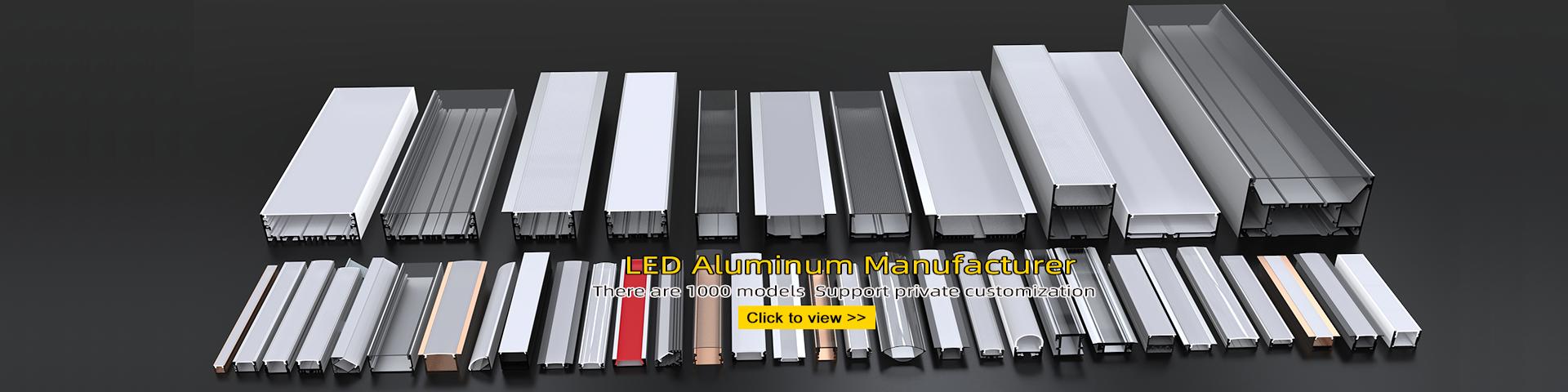
В современной мировой экономике алюминиевые профили стали ключевым компонентом в строительстве, автомобилестроении, электронике и многих других отраслях. Их легкость, прочность, коррозионная стойкость и экологичность делают их незаменимыми для инновационных проектов. Однако, чтобы успешно экспортировать эти продукты на глобальный рынок, необходима тщательно продуманная стратегия роста. Эта статья погружает вас в детали такой стратегии, рассматривая ключевые аспекты: анализ рынка, конкурентные преимущества, маркетинговые тактики, логистику, нормативные требования и будущие тренды. Мы также обсудим, как компании могут использовать технологии и устойчивость для увеличения своей доли на рынке.
Глобальный рынок алюминиевых профилей демонстрирует устойчивый рост, во многом благодаря урбанизации, развитию инфраструктуры и растущему спросу на экологичные материалы. По данным отраслевых отчетов, объем рынка в 2023 году превысил 80 миллиардов долларов США, с ожидаемым среднегодовым темпом роста (CAGR) около 5-7% в ближайшие пять лет. Ключевые регионы, такие как Азия-Тихоокеанский регион (особенно Китай и Индия), Северная Америка и Европа, являются основными драйверами этого роста. В Китае, например, производство алюминиевых профилей составляет более 50% мирового объема, что делает его крупнейшим экспортером. Однако другие страны, такие как Россия, Германия и США, также усиливают свои позиции через инновации и специализацию.
Спрос на алюминиевые профили варьируется в зависимости от сектора. В строительстве они используются для окон, дверей, фасадов и структурных элементов, чему способствует тренд на энергоэффективные здания. В автомобильной промышленности lightweighting (снижение веса) для улучшения топливной экономичности увеличивает потребление алюминия. Кроме того, электроника и возобновляемая энергетика (например, солнечные панели) представляют растущие возможности. Анализ конкурентов показывает, что крупные игроки, такие как Hydro Extrusion, Sapa (часть Norsk Hydro), и китайские компании like China Zhongwang, доминируют на рынке через масштаб и вертикальную интеграцию. Малые и средние предприятия могут конкурировать, фокусируясь на нишевых продуктах или индивидуальных решениях.
Чтобы успешно войти на глобальный рынок, экспортеры должны проводить глубокий SWOT-анализ (сильные стороны, слабости, возможности, угрозы). Сильные стороны включают высокое качество продукции, технологические инновации и cost-effectiveness в производстве. Слабости могут быть связаны с зависимостью от сырьевых цен (например, алюминия) или логистическими сложностями. Возможности лежат в развивающихся рынках, таких как Африка и Латинская Америка, где инфраструктурные проекты набирают обороты. Угрозы включают торговые войны, тарифы, и растущую конкуренцию со стороны местных производителей. Используя инструменты, такие как PESTEL-анализ (политические, экономические, социальные, технологические, экологические, правовые факторы), компании могут адаптировать свои стратегии к конкретным регионам. Например, в Европе строгие экологические нормы требуют акцента на устойчивости, в то время как в Азии price sensitivity может диктовать конкурентные цены.
В highly competitive рынке алюминиевых профилей, дифференциация является ключом к успешному экспорту. Компании должны развивать уникальные selling propositions (USP), которые выделяют их продукцию. Это может включать превосходное качество, подтвержденное сертификатами, такими как ISO 9001 или отраслевые стандарты like EN standards в Европе. Инновации в дизайне, такие как custom-extruded profiles для specific applications, могут привлечь клиентов, ищущих tailored solutions. Кроме того, инвестиции в research and development (R&D) для создания профилей с enhanced properties, например, improved thermal insulation или anti-corrosion coatings, могут открыть новые market niches.
Cost leadership также является важным фактором. Оптимизация производственных процессов через автоматизацию и lean manufacturing может снизить себестоимость, делая продукты более конкурентоспособными на международной арене. Однако, это должно балансироваться с quality control to avoid compromises. Для экспортеров из стран с lower labor costs, таких как некоторые азиатские или восточноевропейские nations, это может быть естественным преимуществом. Но в developed markets, акцент на value-added services, such as technical support, quick delivery, and after-sales service, can justify higher prices.
Сотрудничество с local partners в target markets can enhance market entry. Например, joint ventures или distribution agreements с established companies can provide access to distribution networks and local knowledge. Кроме того, building a strong brand reputation through consistent quality and customer testimonials can build trust among international buyers. Использование digital tools, such as e-commerce platforms and social media, can amplify reach and engage with potential clients globally. В конечном счете, конкурентное преимущество должно быть основано на комбинации factors: product excellence, operational efficiency, and strategic partnerships.
Эффективный маркетинг является краеугольным камнем любой экспортной стратегии. Для алюминиевых профилей, это involves targeting the right audience through multichannel approaches. Digital marketing, включая search engine optimization (SEO) для ключевых слов like "алюминиевый профиль экспорт" или "aluminum profiles for sale", can drive organic traffic to company websites. Pay-per-click (PPC) advertising on platforms like Google Ads or industry-specific sites can generate leads quickly. Content marketing, such as publishing blog posts, case studies, and whitepapers on topics like sustainability or technical specifications, can position the company as an industry thought leader.
Участие в международных trade fairs и выставках, таких как ALUMINIUM in Germany или similar events in Asia, provides opportunities for face-to-face networking and product demonstrations. These events allow exporters to showcase their products, meet potential distributors, and gather market intelligence. Кроме того, public relations efforts, including press releases and media coverage, can enhance brand visibility. For non-digital channels, traditional methods like direct mail or industry magazines can still be effective in certain regions.
Segmenting the market based on geography, industry, or customer size can help tailor marketing messages. Например, для строительного сектора, акцент может быть сделан на durability and energy efficiency, mientras para automotive, lightweighting benefits. Использование customer relationship management (CRM) systems can track interactions and personalize communication. Кроме того, offering samples or trial orders can reduce barriers for new clients. Measuring marketing ROI through analytics tools ensures that strategies are adjusted based on performance. In summary, a holistic marketing plan that combines online and offline tactics, aligned with cultural nuances of target markets, is essential for global reach.
Экспорт алюминиевых профилей involves complex logistics due to their size, weight, and sensitivity to damage. Efficient supply chain management is critical to ensure timely delivery and cost control. Key considerations include transportation modes: sea freight is often cost-effective for bulk shipments, but air freight may be necessary for urgent orders. Packaging must be robust to prevent corrosion and deformation during transit, using materials like protective coatings and sturdy crates. Warehousing in strategic locations, such as near ports or in free trade zones, can reduce lead times and customs delays.
Customs compliance is another vital aspect. Exporters must be familiar with import regulations, tariffs, and documentation requirements in target countries. For example, in the EU, products may need CE marking, while in the US, they must meet ASTM standards. Using freight forwarders or logistics partners with expertise in international trade can simplify this process. Additionally, implementing inventory management systems, such as ERP software, can optimize stock levels and reduce carrying costs.
Risk management is crucial to mitigate disruptions, such as port strikes, weather events, or geopolitical issues. Diversifying suppliers and transportation routes can enhance resilience. Moreover, sustainability in logistics is becoming increasingly important; using eco-friendly packaging and optimizing routes to reduce carbon footprint can appeal to environmentally conscious clients. In essence, a well-orchestrated supply chain that balances cost, speed, and reliability is a competitive advantage in global exports.
Соблюдение международных норм и стандартов является обязательным для экспорта алюминиевых профилей. Различные регионы имеют свои specific regulations. Например, в Европе, директивы по construction products regulation (CPR) и REACH (регистрация, оценка, авторизация и ограничение химических веществ) требуют, чтобы продукты были безопасными и экологичными. В Северной Америке, standards from organizations like ASTM International or Aluminum Association must be met. Failure to comply can result in fines, rejected shipments, or damage to reputation.
Экологические аспекты также играют growing role. Алюминий is highly recyclable, with up to 75% of all aluminum ever produced still in use. Highlighting this in marketing can attract clients focused on sustainability. Additionally, certifications like LEED (Leadership in Energy and Environmental Design) for buildings can be a selling point. Companies should invest in green manufacturing practices, such as using renewable energy in production or reducing waste, to align with global trends like the circular economy.
Юридические вызовы, такие как anti-dumping duties или trade barriers, могут возникать в certain markets. Staying informed through trade associations or legal advisors is essential. Moreover, intellectual property protection, such as patents for unique profile designs, can prevent imitation by competitors. By proactively addressing regulatory and environmental issues, exporters can build trust and avoid pitfalls, ensuring long-term success on the global stage.
Будущее экспорта алюминиевых профилей будет shaped by technological advancements and shifting market demands. Additive manufacturing (3D printing) is emerging as a game-changer, allowing for complex, customized profiles with reduced waste. Digital twin technology can simulate product performance before production, enhancing design accuracy. In terms of materials, development of aluminum alloys with improved strength-to-weight ratios or enhanced conductivity will open new applications in aerospace or electronics.
Market trends indicate a growing emphasis on smart cities and IoT (Internet of Things), where aluminum profiles integrated with sensors or connectivity features could become prevalent. Additionally, the push for decarbonization will drive demand for aluminum in renewable energy systems, such as wind turbines or solar panel frames. Companies that invest in R&D to stay ahead of these trends will capture new opportunities.
Глобализация将继续, с increasing integration of supply chains. However, risks like pandemics or trade tensions may lead to more regionalization. Exporters should remain agile, adapting strategies to leverage emerging markets while mitigating risks. Ultimately, innovation, sustainability, and adaptability will be the keys to sustained growth in the global aluminum profile export market.
В заключение, экспортная стратегия для алюминиевых профилей требует комплексного подхода, combining market analysis, competitive differentiation, effective marketing, efficient logistics, regulatory compliance, and forward-looking innovation. Путем принятия этих элементов, компании могут not only увеличить свои экспортные volume но и установить прочное presence на глобальном рынке. Будущее bright для тех, кто готов инвестировать в growth и adaptation.
 1388xx888xx