

Адрес:149, Aimin Road, Chashan Town, Dongguan, Guangdong, China
Телефон:1388xx888xx
Мобильные телефоны:1388xx888xx
Почтовый ящик:1388xx888xx@gmail.com
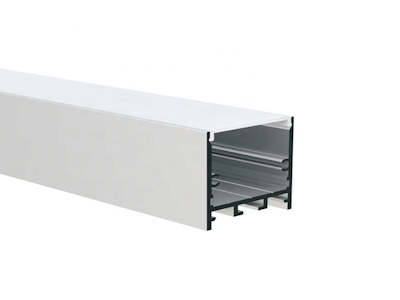
Когда мы смотрим на современные небоскребы, изысканные интерьеры или инновационные фасады, возникает вопрос: что делает эти конструкции такими впечатляющими и функциональными? Может ли один материал, такой как полированный алюминиевый профиль, действительно стать революцией в строительстве и дизайне? В этой статье мы углубимся в мир этого удивительного материала, исследуя его свойства, применения и влияние на нашу повседневную жизнь. Почему архитекторы и дизайнеры все чаще обращаются к нему? Какие вызовы и возможности он представляет для будущего? Присоединяйтесь к нам в этом подробном обсуждении, полном вопросов и открытий.
Полированный алюминиевый профиль – это не просто металлическая деталь; это тщательно обработанный элемент, который сочетает в себе прочность, легкость и эстетическую привлекательность. Но что именно делает его таким особенным? Алюминий, как материал, известен своей коррозионной стойкостью и низкой плотностью, но процесс полировки придает ему зеркальную поверхность, которая отражает свет и создает иллюзию пространства. Задумывались ли вы, как этот простой процесс может трансформировать обычный металл в нечто экстраординарное? В строительстве, где каждый килограмм и каждый сантиметр имеют значение, легкость алюминия позволяет снизить нагрузку на конструкции, одновременно обеспечивая долговечность. В дизайне, его блестящая поверхность может подчеркнуть современность и роскошь. Но не слишком ли мы идеализируем этот материал? Возможно, есть скрытые недостатки, о которых мы еще не задумывались. Например, как полировка влияет на экологичность производства? Или насколько устойчив такой профиль к царапинам и износу в долгосрочной перспективе? Эти вопросы подводят нас к более глубокому анализу.
История алюминия насчитывает века, но его массовое использование в строительстве началось лишь в XX веке, с развитием технологий обработки. Первоначально алюминий применялся в авиации и промышленности из-за своей легкости, но постепенно он проник в архитектуру. Полировка же добавила новый dimension – эстетический. Вспомним знаменитые здания, такие как Эмпайр-стейт-билдинг или современные небоскребы в Дубае: многие из них используют алюминиевые профили для фасадов и интерьеров. Но почему именно полированная версия стала так популярна? Возможно, это связано с растущим спросом на sustainability и энергоэффективность. Полированная поверхность может отражать солнечные лучи, снижая затраты на охлаждение зданий. Однако, как эта эволюция повлияла на стоимость и доступность материала? И не привела ли она к стандартизации дизайна, где индивидуальность теряется в море блестящих поверхностей? Эти размышления заставляют нас задуматься о балансе между инновацией и традицией.
Говоря о преимуществах, первое, что приходит на ум, – это долговечность. Алюминий не ржавеет, что делает его идеальным для внешних применений в различных климатических условиях. Полировка усиливает это, создавая защитный слой against oxidation. Но насколько это эффективно в реальности? Исследования показывают, что properly maintained полированный алюминий can last decades without significant degradation. Additionally, его lightweight nature reduces transportation and installation costs, making it economical for large-scale projects. In terms of aesthetics, the reflective surface can make spaces appear larger and more luminous, which is a boon for interior design. Yet, are there downsides? For instance, polishing requires energy-intensive processes, which might offset some environmental benefits. Also, the high reflectivity can cause glare issues in urban environments, potentially affecting drivers or residents. How do we mitigate these effects? Perhaps through matte finishes or coatings, but then we lose the very essence of the polished look. This duality raises important questions about trade-offs in material choice.
В строительстве полированный алюминиевый профиль нашел широкое применение: от оконных рам и дверных проемов до целых фасадных систем. Его используют для создания curtain walls, которые not only provide structural support but also enhance thermal insulation. But how does it compare to traditional materials like steel or wood? Steel is stronger but heavier and prone to corrosion, while wood offers warmth but requires more maintenance. Aluminum strikes a balance, but is it always the best choice? In interior design, it's used for furniture, partitions, and decorative elements, adding a touch of modernity. However, does this over-reliance on a single material lead to monotony in architectural expression? Consider iconic projects like the Burj Khalifa or the Shard in London – they extensively use aluminum profiles, but could they have achieved the same effect with alternatives? This invites us to ponder the role of innovation versus convention. Moreover, in seismic zones, the flexibility of aluminum can be an advantage, but what about fire resistance? Aluminum has a lower melting point than steel, which might be a concern in high-risk areas. These practical considerations are crucial for architects and engineers.
В эпоху climate change, экологичность материалов становится paramount. Алюминий is highly recyclable – up to 95% of it can be reused without loss of quality, which reduces waste and energy consumption compared to primary production. The polishing process, however, often involves chemicals and energy, raising questions about its overall carbon footprint. Is the polished aluminum profile truly sustainable, or is it just a case of greenwashing? Life cycle assessments show that while recycling offsets much of the impact, the initial production still contributes to greenhouse gas emissions. Additionally, mining bauxite for aluminum can lead to deforestation and habitat destruction. But on the positive side, its longevity means less frequent replacements, reducing long-term environmental impact. How can we improve this? Perhaps by adopting more eco-friendly polishing techniques or using recycled aluminum exclusively. Also, in terms of energy efficiency, reflective surfaces can lower cooling needs in buildings, contributing to reduced energy use. But does this benefit outweigh the production costs? This complex interplay requires careful evaluation and transparency in the industry.
Технологии не стоят на месте, и полированный алюминиевый профиль continues to evolve. With advancements in nanotechnology, we might see self-cleaning or scratch-resistant coatings that enhance durability. Smart materials integrated with sensors could turn profiles into interactive elements in smart buildings. But what are the ethical implications? For example, increased use might lead to resource depletion or higher costs. Also, as design trends shift towards minimalism and sustainability, will polished aluminum remain relevant, or will it be replaced by newer materials like carbon fiber or bio-based composites? The rise of 3D printing could allow for custom-shaped profiles, opening new possibilities for personalized design. However, this might also increase waste if not managed properly. How will regulations and consumer preferences shape the future? Perhaps we'll see a move towards more matte and textured finishes to reduce glare and add variety. Ultimately, the revolution is not just about the material itself, but about how we innovate responsibly to meet the challenges of urbanization and climate change.
В заключение, полированный алюминиевый профиль undeniably represents a significant advancement in construction and design, offering a blend of strength, beauty, and functionality. But is it a true revolution or merely a passing trend? The questions raised throughout this article – about durability, environmental impact, application versatility, and future potential – suggest that while it has transformative qualities, it also comes with challenges that need addressing. As we move forward, it's essential for stakeholders to collaborate on sustainable practices and innovative solutions. Whether you're an architect, designer, or simply an enthusiast, the journey of exploring this material invites continuous learning and adaptation. So, what do you think? Will polished aluminum profile continue to shape our built environment, or will it be superseded by the next big thing? Only time and thoughtful consideration will tell.
 1388xx888xx